GWAPA July Meeting – Luis Navarro

July 27th, 2008

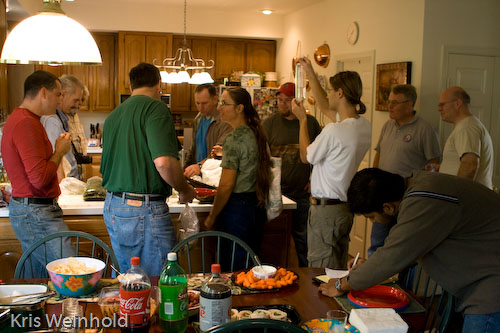
On Saturday, GWAPA brought Luis Navarro all the way from Houston, TX to do an aquascaping demonstration at our monthly club meeting. I was fortunate to have some time to hang out with him on Friday evening after picking him up from the airport. He’s a really talented and knowledgable aquascaper, so just to talk plants with him was an honor. Prior to the start of the meeting, a few of us gathered at Francine’s house to prepare the 125G aquarium that Luis was going to aquascape. We also had to get the plants he wanted to use ready, which involved tying anubias to small rocks, breaking up Marsilea minuta into small plugs for easy planting, and such.

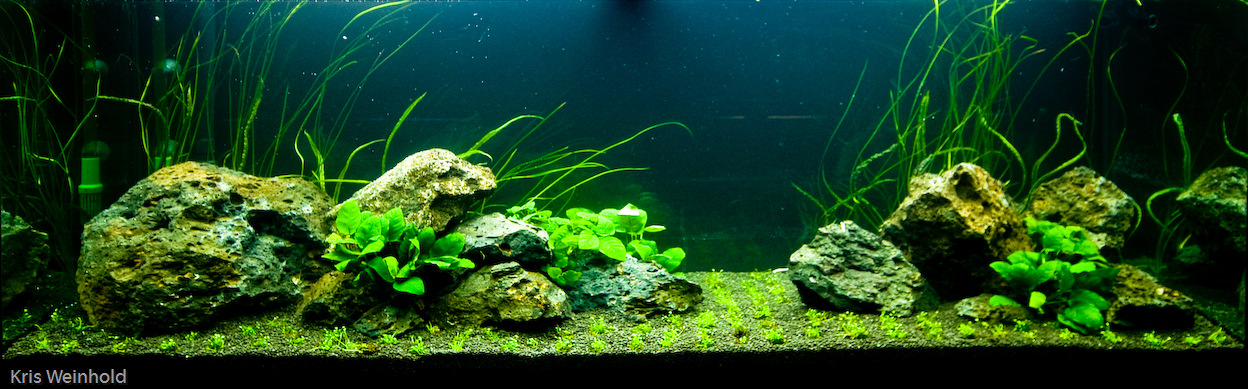
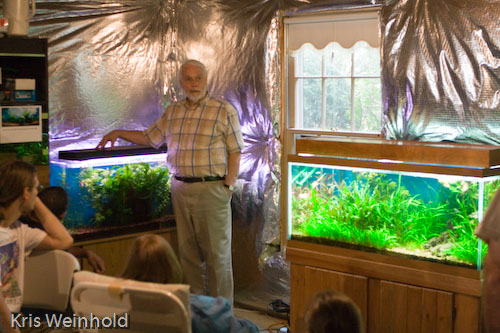
Around 1:00pm, members started arriving, and by 2:00pm we had almost 30 people packed into Francine’s basement. Everyone was very interested to watch Luis work. He answered a number of questions, and proceed with the aquascape. After about an hour, he had completed this rock scape using Marsilea minuta, Anubias barteri var. ‘nana’, Cryptocoryne crispatula var. balansae, and Vallisneria nana.

Francine's 125

Francine's 125G, Scaped by Luis Navarro.

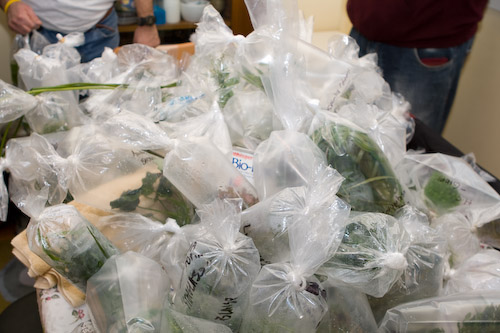
After the demonstration, we held our auction, which consisted of nearly 100 bags of plants for sale. I came away with a number of items this month, including Rotala verticillatus, Rotala sp. ‘Green Narrow,’ Nuphar japonica, Potamogeton gayi, an assortment of other plants. I also was happy to have some other plants on my doorstep when I got home, including Juncus repens, Limnophila sp. “mini”, Hygrophila difformis “variegated”, and Hemigraphis traian. I barely had room for all of that stuff in my tanks! Thanks GWAPA for another great meeting!


Business Broker

Nova Scotia Birds

June 12th, 2008

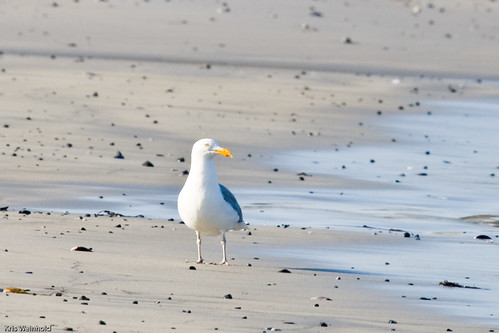
Being a maritime province, Nova Scotia is home to quite a few seabirds that sustain themselves, like the people, largely from the surrounding sea. There are many rare birds that migrate to the area, but then of course they also have the common seagull. Whether on land.

Seagull

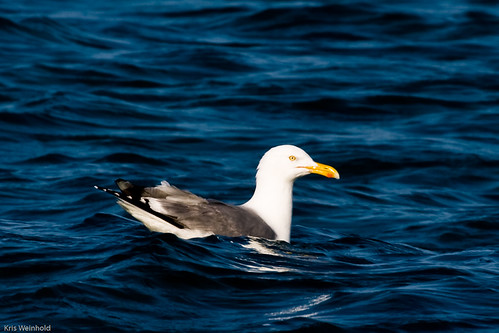
On sea.

Seagull

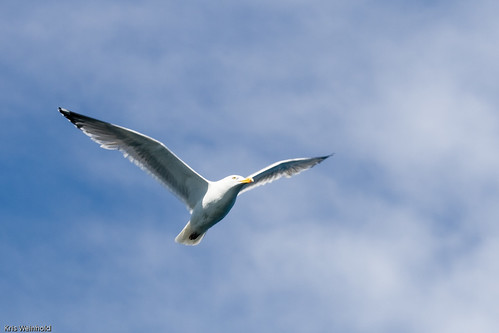
Or in flight, the seagulls are almost always nearby. Being used to people, they have learned to follow fishing boats to capitalize on the fish that they bring up. While we were on a whale watching tour, we had a permanent group of seagulls following us around because the same boat also does a daily deep sea fishing expedition.

Seagull

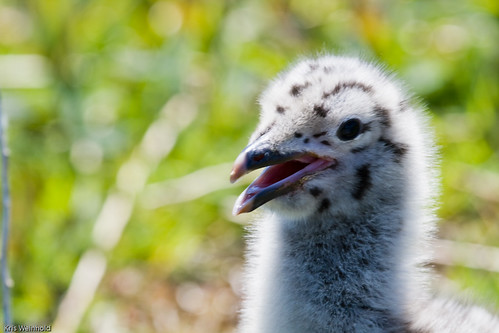
Despite being kind of nasty and obnoxious adults, the baby seagulls are adorable. With their fluffy down, they’re as soft as can be. Watch out handling them, however, as pooping is their first defense!

Baby Seagull

We had the wonderful fortune of getting in contact with a birder who cares for a series of small islands off of the coast of Pubnico that houses a small colony of rare rosette terns. He graciously took us out on his boat to get a glimpse of some of these islands, and the birds surrounding them.

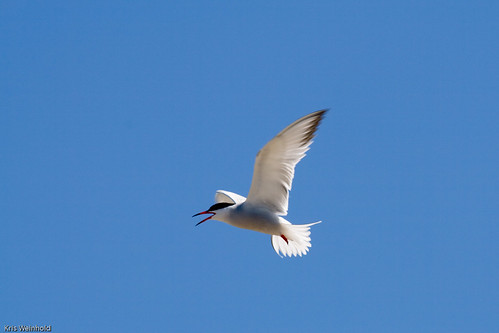
Tern

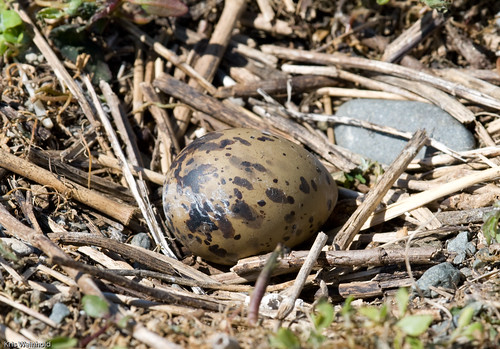
We didn’t see many of the rosette terns, and the ones we did were too fast for my camera, but this is a more common tern (above) in flight. We counted several eggs on the island, and took note of any that had been preyed upon by crows, owls, or voles.

Tern Egg

We also found a number of Common Eider eggs, in downy feather nests. The feathers kept the eggs at an incredibly warm temperature. Our caretaker covered these eggs up to help avoid them from being easy pickings for the afore mentioned predators.

Eider Eggs

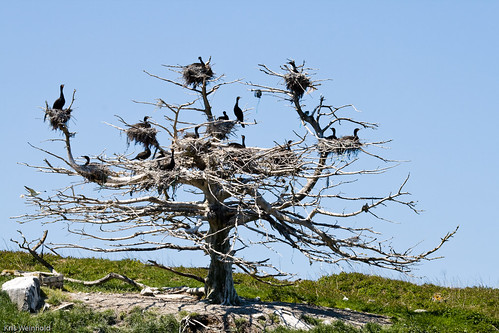
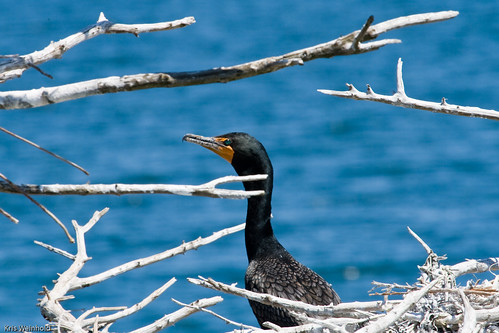
One of the more distinct looking birds we saw was the Cormorant, which nests in colonies along cliffs or in trees as shown below. They actually end up killing a lot of the trees because their excrement is so potent.

Cormorants Nesting

As you get closer to the tree the birds inevitably fly away, but I was able to get this shot of one before they did so. They’re actually quite pretty!

Cormorant

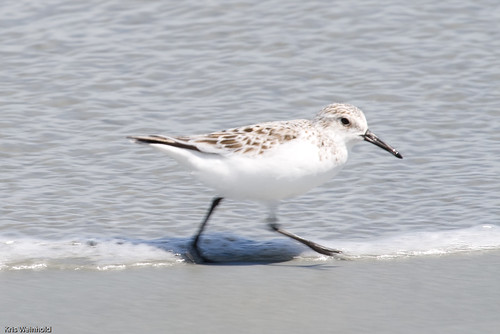
And of course, we saw plenty of other birds like this guy who was scavenging the surf for small crustaceans. We had a fun time following this bird, trying to photograph him, as he constantly scurried away from us whenever we got within 20 feet.

Bird

We saw countless other birds other than what I’ve shown below, but I hope you’ve enjoyed the few pictures that I’ve posted up here. Not being a knowledgeable birder myself, I’m sure I saw a ton of species that were lost on me, but I can confidently recommend Nova Scotia to anyone looking for some quality bird watching.

Business Broker

Face-to-Face with Catfish

March 31st, 2008

In my 54G corner aquarium, I’ve got quite a few different kinds of catfish. All of them are different looking, and each has a unique character.

The Ancistrus sp. L279 bristle-nose plecos stay around 3-4″, and are usually found sucking on the driftwood in the tank. They’re fairly timid, but do come out often enough to enjoy.

Ancistrus sp. L279

The Siamese Algae Eater, SAE, is a very common algae eating fish. They are commonly confused is the Flying Fox, which is not nearly as effective an algae eater. Becoming popular once they were observed eating black brush algae, they are often recommended to new aquarists as a means of algae control. Unfortunately, most people do not initially realize that the small fish they purchase in the store, turn into 6-7″ blimps. Despite their size, they’re usually lazy enough, lounging around most of the time in their old age, that they do not disturb the aquascape.

SAE

The Botia sidthimunki loach is a fantastic little catfish that stays small, is constantly active, and is very social when kept in a group. I have five of these in the tank, and they’re always scurrying around, chasing each other throughout the aquarium. They do not harass other tank mates, however, well, except for snails or shrimp!

Botia sidthimunki

I have a couple varieties of corydoras in this tank. Cories are also very social catfish, constantly searching the bottom areas of the tank. Occasionally, you will see one shoot from the substrate all the way up to the water surface, and then dart back down. Apparently, cories have adapted to be able to breath air from the surface, allowing them to survive in poorly oxygenated water. I’ve also witnessed them playfully swimming upside-down at the water surface for awhile before swimming back down to the bottom.

Corydora

Overall, I can highly recommend all of these catfish, for different reasons. The A. sp. L279 are great little plecos that eat algae, but don’t overwealm the tank. The SAEs get bigger, but are peaceful, and also eat algae. The “sid the monkey” loaches are a great, active, addition to any tank, and will eliminate snails from your aquarium. And corydoras are just plain fun to watch!

Business Broker

GWAPA – February 2008 Meeting

February 24th, 2008

Yesterday, GWAPA held their February meeting down in Vienna, VA at Rick & Mary’s home. I had been preparing for this meeting for the last couple weeks because I gave the meeting’s presentation on Algae in the Planted Aquarium. I thought the presentation was pretty well received, and I hope the members in attendance felt the same way.

Me giving the Algae presentation

Rick and Mary had two tanks on display, a 75G and an ADA cube, both which were planted very nicely. In my haste, I forgot to get pictures of their tanks, but the 75G is a nice jungle-style, open-top tank with Bacopa monnieri and Ludwigia repens growing emersed out of the top of the tank. This tank was also outfitted with a neat pH/temperature monitor, and automatic water changing system. Mary’s ADA tank was recently planted in the Amano style, with white sand creating a path from front to back, and was well on its way to becoming a fantastic scape.

Look at the size of this auction!

The meeting set a GWAPA record for attendance with 39 people showing up. With many of them bringing items for auction, the auction was huge with over 130 items for sale, including many plants that are very rare in the hobby. I managed to come away with Ludwigia arculata, Goo obo gudgeons, Lagenandra thwaitsii, Eleocharis parvula, and Limnophila aquatica. The gudgeons are F1’s, bred by a club member, and will go in my 54G with my other rainbowfish. I’m still figuring out where all the plants should go.

More pictures/info about the meeting available on GWAPA’s website.

Business Broker

New Sulawesi Shrimp

February 7th, 2008

For those of you like me, who haven’t heard the news, there is an exciting new group of shrimp coming into the hobby from Sulawesi, Indonesia. The shrimp are freshwater, but exhibit striking similarities to some marine types of shrimp, especially in their coloration. Most have yet to be fully identified, so they could go by a variety of names.


Caridina sp. “Orangedelight”

The Sulawesi region contains two ancient lakes, Lake Poso and the five-lake Malili system. These old lakes have allowed the species within them to evolve uniquely from their counterparts in surrounding bodies of water. The lakes themselves are a little bit more alkaline than what many of the shrimp we’re used to keeping live in.


Species TBD

From wklotz:

In the Towuti, Mantoano and Poso lakes you can find pH values between 7,4 and 8,2; appear to require the higher pH. the conductivity is at about 224 µS and the total hardness at about 6°DH.
The water temperature is rather stable at about 26,5°C. (80°F) Only in shallow water regions near the shore the temperature can rise to 29°C. (84°F) The Malili system lakes have relatively normal water parameters, with soft water and pH slight alkaline.


Species TBD

There are some problems, however with these shrimp. For starters, many of them have an adult size of 1cm, which would make them unsuitable additions to most people’s fish tanks. Additionally, while they have been kept successfully in captivity, they’re usually kept at a pH greater than 8.0 with no CO2 added, which is problematic for many planted tanks.


Species TBD

Finally, at least one of the species, Caridina spongicola, may not survive due to a possible interdependence with a freshwater sponge. It’s still unclear whether this is a firm requirement, but in the wild, C. spongicola appears to have descended from rock-dwelling shrimp that now use sponges for shelter, and their collected diatoms for food.
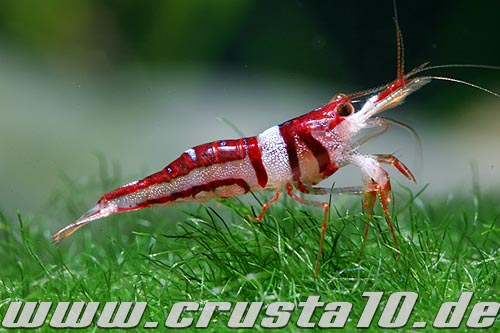

Caridina spongicola

That said, at least one member on the Shrimp Now thread have reported eggs forming and hatching when the adult reaches ~1cm in length. Some of the juveniles appear to be viable, so captive breeding may be a possibility.


Species TBD

Of all of the shrimp, Caridina sp. ‘cardinal’ seems to be the easiest to keep, with not surprisingly, the C. spongicola being the most delicate. Many folks report keeping multiple species in a single tank without concerns of interbreeding. It’s possible that this claim is made too early in the process to be conclusive.


Caridina sp. “Goldpowder”

It’s important that commercial shrimp farmers find a way to mass produce these shrimp, as wild collecting can not be sustainably done due to the narrow habitat in which they live.

From Kristina von Rintelen:

Imminent threats are habitat destruction due to canalization work in the outlet area for the hydroelectric dams of a large nickel mine operating in the area, and possibly aquarium trade, where Caridina is a well sought-after pet due its partially flamboyantly coloured species. The Malili lakes have recently received much interest from this side (Chris Lukhaup 2006, personal communication). Protective measures should be taken to ensure not only the existence of the two beautiful species but also to enable further research on the evolution of specialization and interspecific association in this ancient lake model system that can continue to improve our understanding of the origin of these traits.


Caridina sp. “Freshwater Cardinalshrimp”

These shrimp appear to be fairly shy shrimp, preferring dimmer light levels, and doing most of their foraging at night. The exception to that is the Caridina sp. ‘Caridina’ which people have reported as being fairly active.
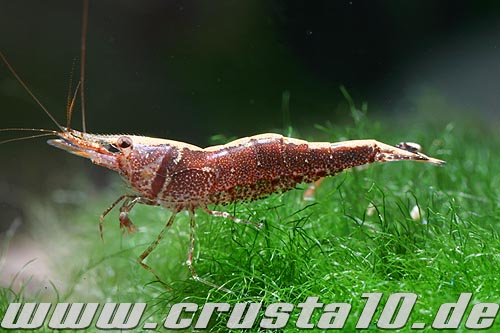

Caridina sp. “Goldenbackline”

Similar to the Caridina spongicola possible dependence on sponges, some have speculated that the color of the substrate may also serve to keep different species more at home.


Caridina sp. “Sunghai Electric”

Finally, I do not recommend anyone currently buying these shrimp unless they are captive bred, or willing to breed and sell the shrimp themselves. The cost is probably a barrier for most folks anyways, as they’re currently retailing for $40-$45/shrimp from the U.S. online seller, Planet Inverts.

Information collected from the Shrimp Now forum. Also, from here. And here. Photos from www.crusta10.de. Experienced shrimp breeders can purchase some of these from Planet Inverts.

Business Broker

Hydrocotle sp.

January 21st, 2008

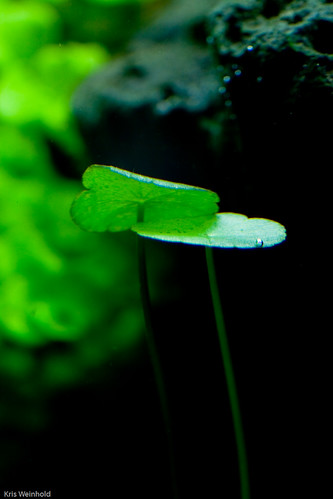
Back in June 2007, a few GWAPA members went down to Florida to see what kinds of plants/fish we could find for our aquariums. One plant that was absolutely everywhere was a Hydrocotle species that mixed into the grass of people’s lawns, and existed in virtually every roadside ditch we visited. I grabbed a small amount, expecting it to completely take over my tank.

Hydrocotle sp.

I couldn’t have been more wrong. This small plant has been living in my 40G tank for over 6 months, while only throwing up a single new stem. Recently, I upgraded my lighting to a 2x96W setup from AHSupply and I’ve noticed that the Hydrocotle sp. has started to grow, sending up a new stem and leaf in just the last week. Right now, the stems are approximately 6 inches tall, which is slightly taller than I’d prefer them. I’ll be sure to post if it evens out, and becomes a nice accent plant in my aquascape.

Business Broker

GWAPA – October 2007 Meeting

October 30th, 2007

On Saturday, GWAPA’s October meeting took place at John G’s house in Springfield, Va. I was wondering how many people would show up since Aquafest was less than a week prior, but fortunately, we had a sizable turnout. Beyond that, there were a number of items in the auction that we hadn’t seen before. Eileen had sent some rare bolbitis sp. fern that we’re not immediately sure where it’s from, but it’s not the same leaf form as the type we’re used to seeing. Jim and Ghazanfar brought a few items that they got from Europe at the recent ECS (crypt keepers) conference.

In addition to the Bolbitis sp., I also got some various crypts, a stem of Rotala macrandra, and a bag of Taiwan moss for my new 75G scape. The meeting itself, was pretty interesting. John’s found a way to successfully grow some of the easier plants in the hobby without much intervention.

Also, the results of the aquascaping contest were in. I didn’t take top honors, but finished second in the advanced category. Next year, I think I’m going to abandon the hill-scape idea of the past two years, and move toward a miniature dutch/amano style scape. The tanks in the beginner category really were quite fantastic, with a tight race between the top three tanks in that category. For more pictures and information about the October meeting, check out GWAPA’s website.

Business Broker

Apistogramma cacatuoides

September 19th, 2007

I’ve kept Apistogramma cacatuoides for some time now in my 75G tank. I started with a trio of the ‘triple red’ color morph. After a few successful spawns, my brilliant male died of seemingly unknown causes. My local fish store had just gotten in wild A. cacatuoides so I decided to try one with my ‘triple red’ females. Before long they spawned, and I now have a small breeding colony of at least 12-15 fish in my 75G community tank.
Apistogramma cacatuoides male

It’s really been fascinating to watch how the triple-red coloration has mixed with the wild male’s drab color. Some of the males, like the one above, only retain a tiny bit of orange on their dorsal fin. Others, have darker bodies, with more pronounced color in their dorsals. (below)

Apistogramma cacatuoides male
Then, some of them have orange blotches on their tail fins. It’s quite possible that this one below is actually a female, but you can see the coloration nevertheless.

Apistogramma cacatuoides male

The black and orange checkerboard pattern is starting to show up on this male’s tail fin, and there’s more orange on the dorsal fin, with slightly more color on the bottommost fins.

Apistogramma cacatuoides

Finally, I also have 1-2 nice specimens where the tail and dorsal fins are totally checkered with orange and black. This fish very much approximates the original male that I started with.

Apistogramma cacatuoides male

The females themselves are not ugly fish, but are very similar to other female apistogramma. I’m fortunate to constantly enjoy the breeding coloration of at least one pair of fish at any given time. I’m amazed by the small crevices these females fit themselves into in the rocks. They’ve located hollow areas in rocks that I never knew had hollow areas.

Apistogramma cacatuoides female

I’ve also found that these are not shy fish. Unlike some other apistos that I’ve kept, they come right up to the tank when I approach, and usually stare me down until I feed them. They’re not terribly aggressive fish, even when breeding. They’ll definitely try to defend their territory, but most of the time, I see 5-6 hanging around the same area. I’ve always liked dwarf cichlids because they give you the ability to keep colonies of a single species in a modest-sized aquarium. The behavior patterns definitely change in this situation, and that’s interesting to note.

Apistogramma cacatuoides female

If you haven’t kept cichlids before, Apistogramma cacatuoides is an excellent beginner cichlid. They’re easily obtained from most fish stores, will readily breed in most water, and exhibit all of the same behaviors that people love from cichlids.

Business Broker

Amazon Trip: The Snakes

August 22nd, 2007

Before I went to the Amazon, I was always one of those people who said they were afraid of snakes. Growing up, the worst we had to worry about were copperheads, but I think the fear that something so tiny could put you in a world of hurt was scary. Right before the trip, I had to help my mom remove a harmless black snake from their deck. Just handling that snake, you could feel the strength that they have. In the Amazon, I witnessed far more deadly snakes than the copperhead, but also saw even more strength in the boas, and more beauty in the coloration of some of these creatures. I hope you enjoy my snake photos.

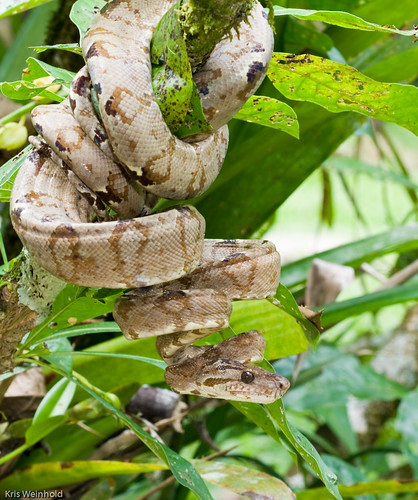
Amazon Boa
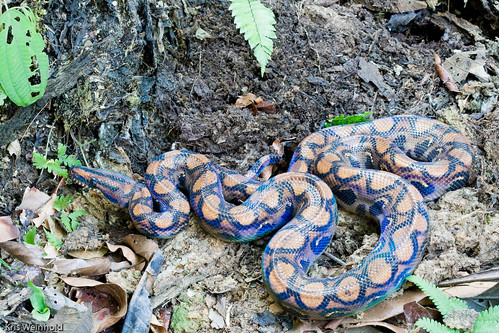
The snake above is a standard tree boa constrictor. These snakes are so strong, and really coil up around a tree in an instant. Below is its much prettier cousin, the rainbow boa. One of the other photographers happened across this beautiful snake during one of his afternoon walks. With every movement, the iridescent blue shimmered one its skin.
Amazon Rainbow Boa

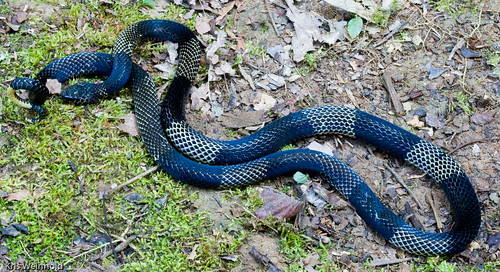
Micrurus putumayensis, below, was quite drab looking in the shade. In the sunlight, blue undertones started shining from its dark patches. A really nice looking snake.

Amazon Snake

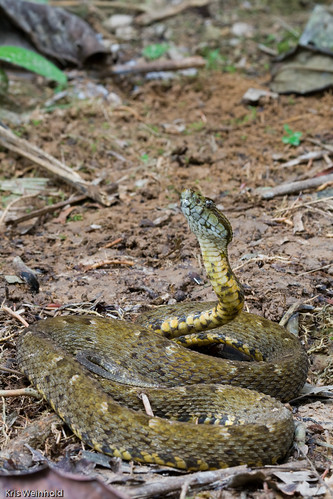
Next is the famous fer-de-lance. This snake is very lethal, and is not afraid to strike. While our guides were handling this snake, it struck multiple times at the handling tools, causing venom to drip down the metal surface. They told us about one unfortunate previous guest who accidentally stepped on one of these, got bit, and needed over four months to finally get back to normal. He nearly didn’t make the first day. Scary stuff, but definitely a snake to respect.

Amazon Fer-de-Lance

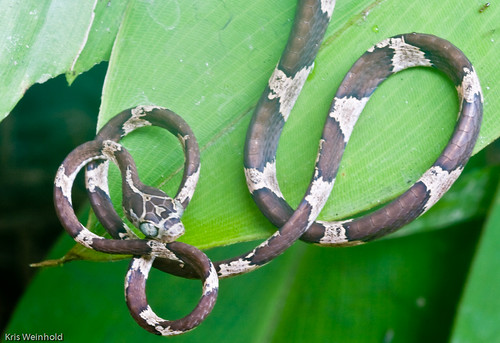
Here is a vine snake that we found on one of our night walks. I kind of like how his head is disproportionate to his body.

Amazon Vine Snake

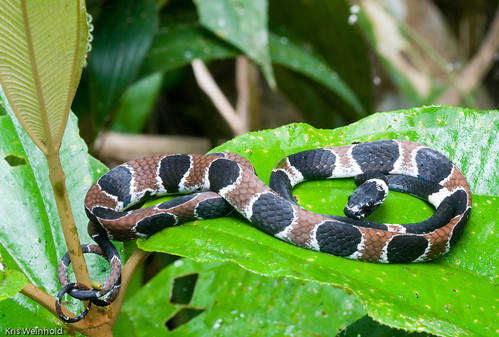
Another pretty snake. Unfortunately, I don’t remember whether this one, the next, or both are vine snakes, or varieties of coral snakes. If anyone has any insight, please comment and set me straight.

Amazon Snake

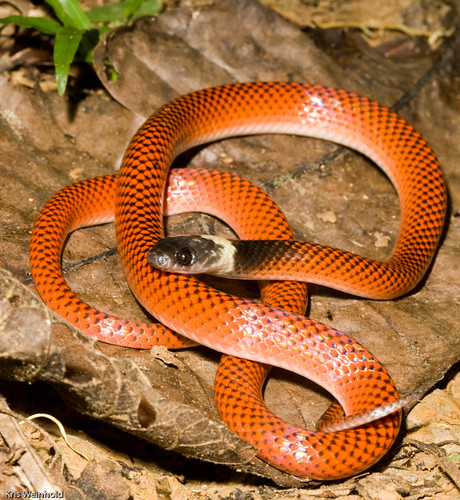
Again, not sure what kind of snake this is, but isn’t it pretty with the orange and black checkerboard pattern?

Amazon Snake

Business Broker

Amazon Trip: The Birds

August 19th, 2007

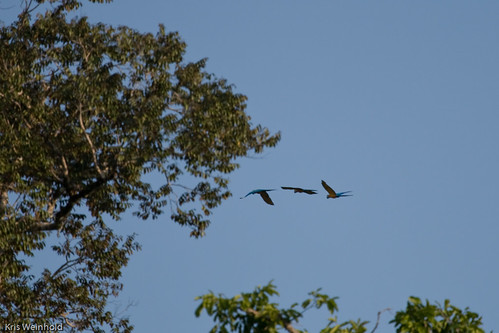
The Amazon is a bird watcher’s paradise. You wouldn’t be in the Amazon if you didn’t hear the loud squawking of mccaw parrots as they flew overhead. It’s really amazing to see these colorful birds out in the wild, as opposed to in a pet store cage. As loud as the mccaws are, the green parrots are even noisier, particularly when you’re trying to sleep!

Amazon Mccaw Parrots

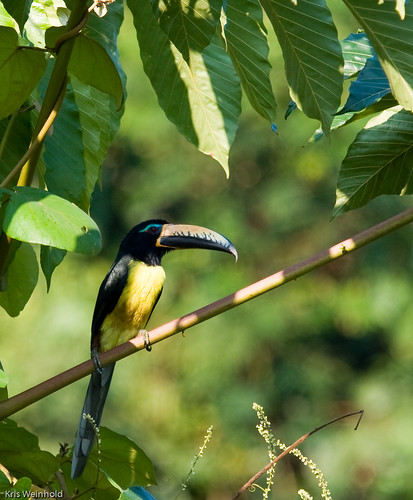
Besides parrots, I think the toucan is the quintessential Amazon bird that everyone knows. This may be in large part due to Fruit Loops marketing campaign, but nevertheless, there’s no wonder as to why people admire these birds. This particular bird below flew up to this tree, about 50 feet away from the platform I was standing on, about 5 stories from the forest floor. It then proceeded to fly overhead to a different tree where 2 other toucans squabbled with each other before all 3 took off. What colorful animals!

Amazon Toucan

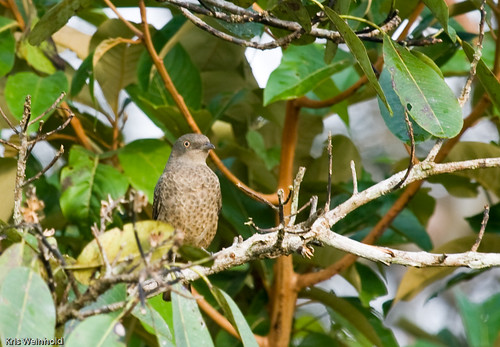
There are numerous birds on the water that prey on fish or other critters that become vulnerable on the water’s edge. I haven’t a clue what this bird is below, but we saw a fair number of this type around.

Amazon Bird

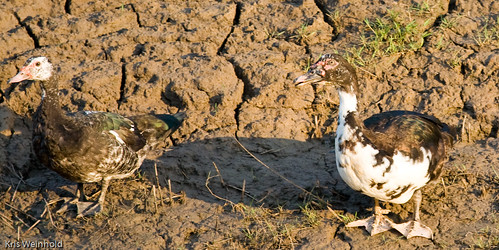
Even the Amazon has a common duck. While these ducks are slightly different than the common ducks all over North America, their general behavior is the same.

Amazon Ducks

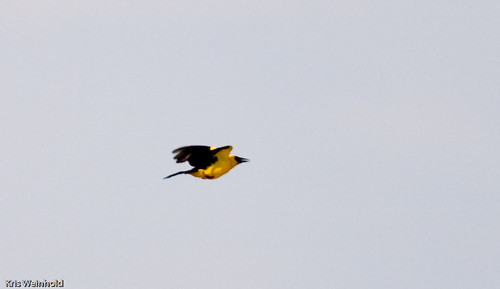
These yellow-bodied birds can be seen all over the Amazon. We saw especially large numbers of them when we were on the boat, making the trip down the Amazon river to the Rio Orosa.

Amazon Bird

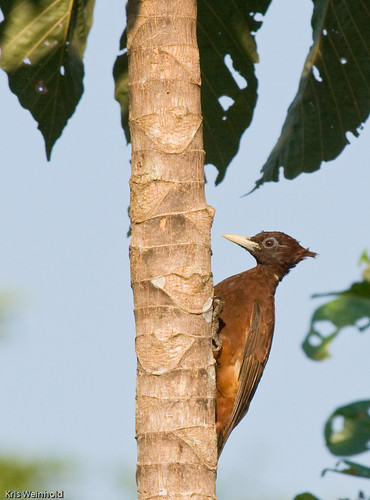
With all of the insects in the Amazon, it goes to figure that there would be plenty of woodpeckers around.

Amazon Woodpecker

Business Broker

« Previous Entries   Next Entries »