AGA 2008: Takashi Amano: Aquascaping Demo

November 19th, 2008

Saturday afternoon at the 2008 Aquatic Gardener’s Association Convention, Takashi Amano setup a beautiful ADA 90P aquarium from start to finish to demonstrate how to properly design an aquascape. With many helpers at hand, and tables full of rocks, wood, substrate, and plants, he began by segmenting with poster-board the floor of the aquarium into bright sand and aquasoil sections.
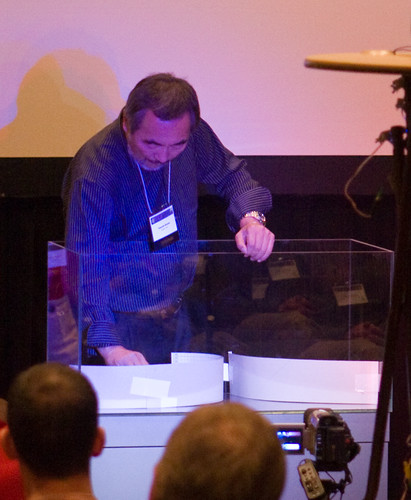
Amano Aquascaping at AGA 2008

He then added the substrate, and positioned moss-covered-rocks along the line between the two types of substrate. After positioning the driftwood, he began positioning ferns and Anubias into the hardscape. One thing with Mr. Amano, is that he plants incredibly densely, so that when he’s done, it looks like a near finished aquascape. (Often times hobbyists don’t have the luxury of having that many plants available to scape with, and have to grow them out within the aquascape.)
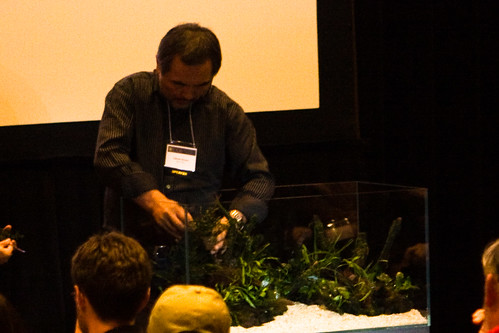
Amano Aquascaping at AGA 2008

Once the more static plants were in place, Amano partially filled up the tank with water, and began planting the stem and other background plants. Again, he planted very densely, so that it would only require a couple trims before the aquascape was completely full and lush.
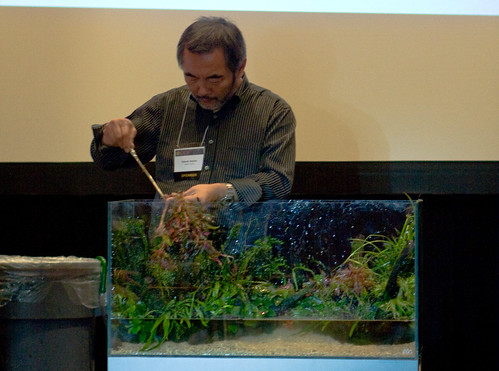
Amano Aquascaping at AGA 2008

After filling up the tank, and allowing the water to clear, below is his finished scape. It’s amazing what he was able to pull off in just about an hour. Beautiful!
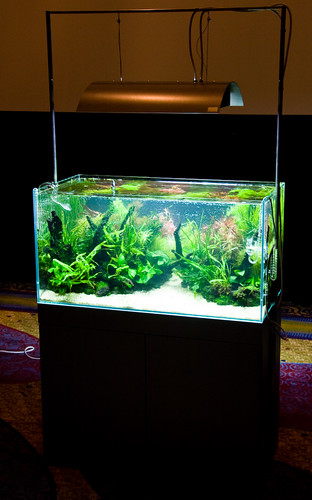
Finished AmanoScape at AGA 2008


Business Broker

AGA 2008: Jeff Senske: Effective Design

November 19th, 2008

Jeff SenskeJeff Senske, of Aquarium Design Group, spoke at the 2008 Aquatic Gardener’s Association Convention about using Effective Design in your aquascapes. Basically, he like most of us, started trying to aquascape by throwing a lot of different plants together in a tank. Eventually, he learned how to grow the plants properly, but the tank was still a mishmash of healthy plants. He said that at an AGA Convention in the early 2000’s, he brought a picture of his tank to show to Mr. Amano, who was presenting at the time. Mr. Amano looked at the picture, complemented the healthy looking plants, but said that his aquascape lacked philosophy. Ever since then, Jeff has kept that in mind prior to designing any aquarium, whether it’s freshwater planted, reef, or plastic plants, he deploys design principles to his work.

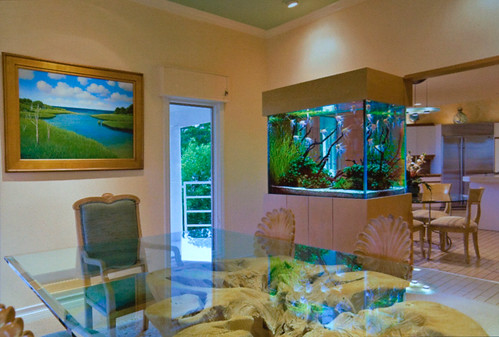
Jeff Senske Design

Running an aquarium service company, Jeff often has to harmonize the aquarium equipment and aquascape with the rest of the room. Above, you can see how Jeff matched the style of the aquarium stand and wood type with the rest of the room. The aquascape itself, is also an open-style scape, just like the open floorplan of the room. Jeff also stressed that design should not have to suffer due to maintenance issues. In his experience, aquariums require water changes regardless of whether they’re high tech or low tech, full of plants, or not. He doesn’t see trimming as a barrier to upkeeping a design. That said, he’s not afraid to use a beautiful ADA setup with zero plants, such as the tank below.

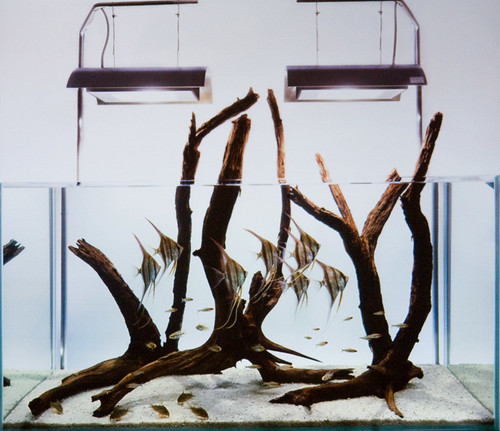
Jeff Senske Barewood Tank

In fact, this tank might be more like the angelfish’s natural habitat in the Amazon River, minus the tannin-stained-water, than a heavily planted tank would be. Still, the wood makes it an interesting tank to look at, as does the top-end equipment. All-in-all, Jeff Senske just wants all of us to design our aquariums with purpose.

Business Broker

AGA 2008: Takashi Amano: His Tanks

November 18th, 2008

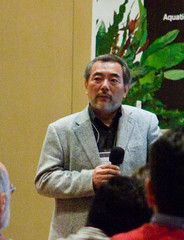
Takashi AmanoAfter critiquing the ADA entrant tanks during his presentation at the 2008 Aquatic Gardener’s Association Convention, Takashi Amano proceeded to discuss some tanks of his own. He spent a long time showing the exact progression several of his tanks have gone through from empty tank to finished aquascape. Afterward, he did show a number of pictures of his finished layouts.

He started by showing a picture which was featured on the cover of Tropical Fish Hobbyist and given the title “Amano Magic!” He stated that it they called it magic because to the human eye it’s believable that this could be a natural habitat for those angelfish. He then said that this was incorrect.

Amano Tank

He stated that it’s easy to fool a human eye, but the true test of an aquascape is whether or not the aquascaper has fooled the fish inhabitants that this is a natural environment. This could be discerned by looking at the coloration and interaction of the fish in the tank.

Amano Tank

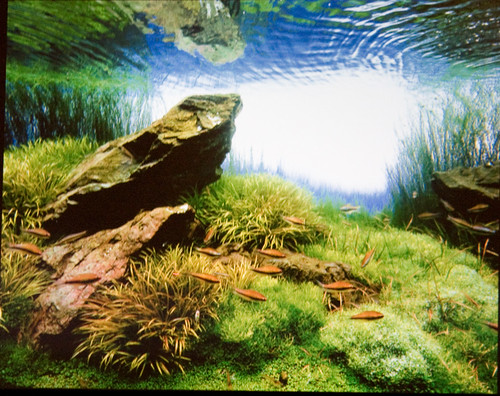
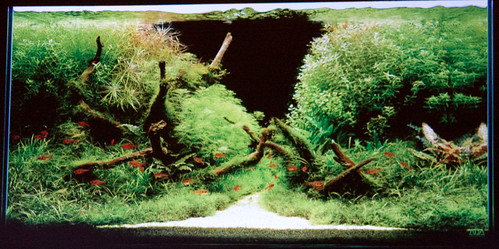
He showed a number of his tanks, such as my favorite one above, which are truly extraordinary, both in aquascape and photography. He flipped through a number of aquariums, demonstrating different types of aquascapes.

Amano Tank

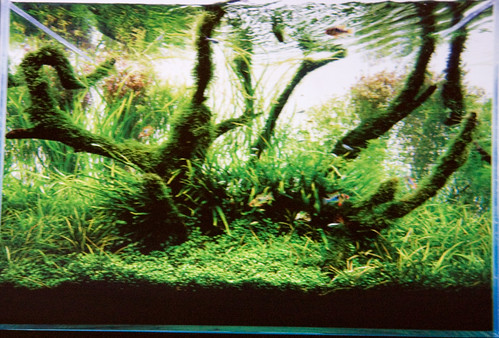
Some were more heavily planted, with moss covered wood as the focal point. He didn’t spend any time talking about the photography side of his aquarium pictures, but clearly he knows what he’s doing. I’ve read elsewhere that the ripple effect on the water’s surface was created using a hairdryer.

Amano Tank

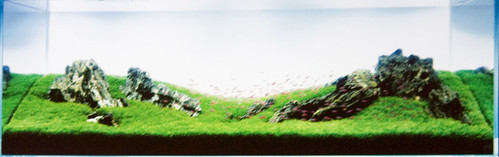
Amano also described how to create an iwagumi aquarium layout, such as in picture above. This is a more traditional iwagumi scape, utilizing only one or two types of plants, allowing the rocks to be the focal point.

Amano Tank

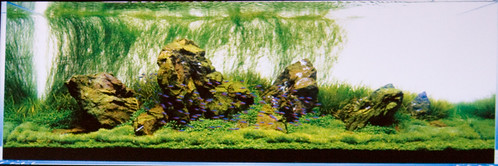
He also showed that it was possible to create a nice iwagumi with more plants in more of a hybrid way, utililizing background and accent plants. Of course, the rocks are still the primary focus of the scape. Rock positioning and selection either make or break this type of scape.

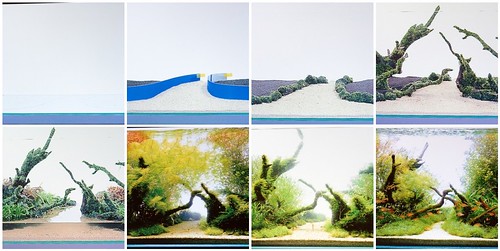
Amano Aquascape Progression

This final aquascape was one of the ones that he showed from start to finish. As you can kind of see above, he started with a bare tank, and used poster board to keep the Aquasoil and Bright Sand separate. The two substrates were further separated by moss covered stones, and accented by driftwood. The tank is then planted, and allowed to grow in. After a rather harsh trimming, the plants grow back more bushy, and a few months later, you have your final aquascape below.

Amano Tank

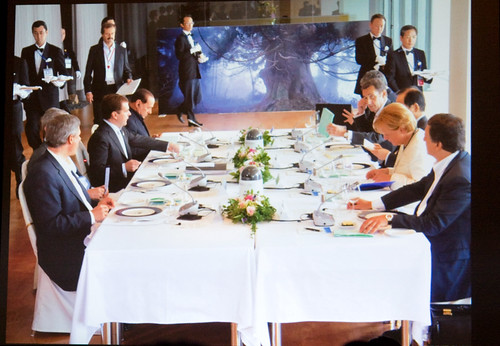
Mr. Amano ended his presentation talking about some non-aquarium-related work that he has been doing, nature photography. As you may know from his beautiful picture-books of the Amazon and Rio Negro, Amano is an expert photographer. He had two of his works displayed at the G8 Summit recently held in Japan with many world leaders.

G8 Summit with Amano Photo in Background

The particular photograph displayed in the background above is of a huge tree in one of Japan’s ancient forests. He then answered a number of questions from convention attendees, and finished his presentation. Overall, it was a very insightful presentation, which some beautiful aquascapes on display.

Business Broker

AGA 2008: Takashi Amano: ADA Tank Critique

November 18th, 2008

Takashi Amano

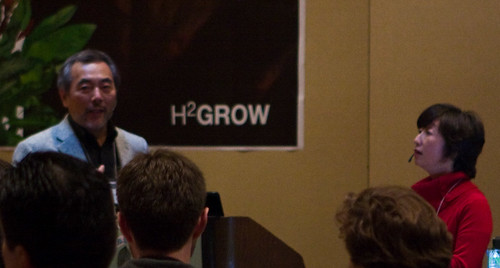
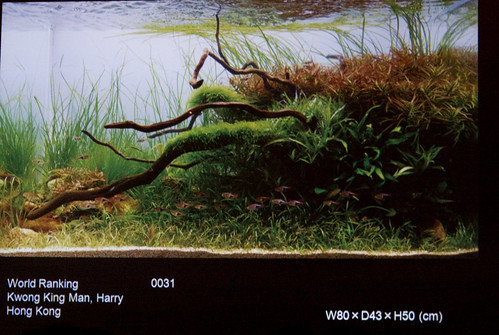
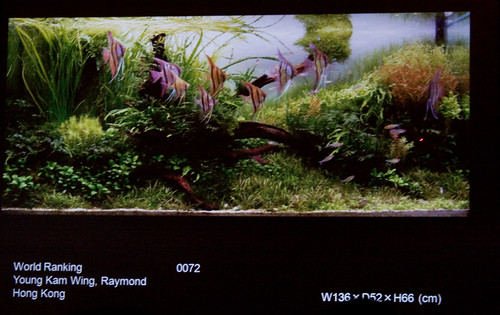
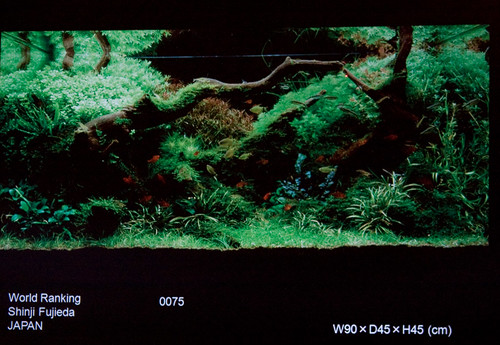
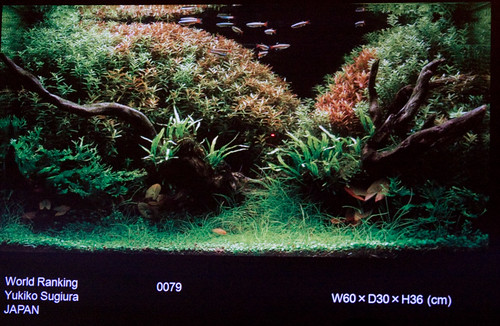
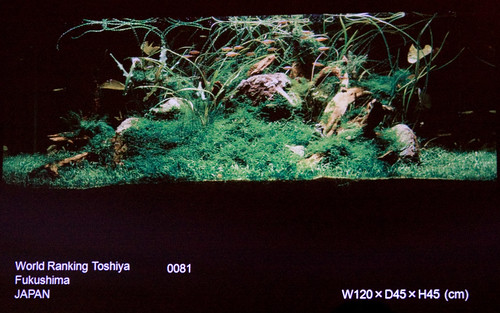
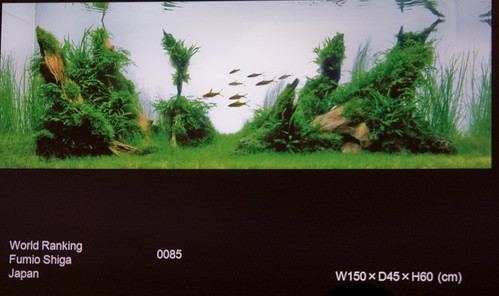
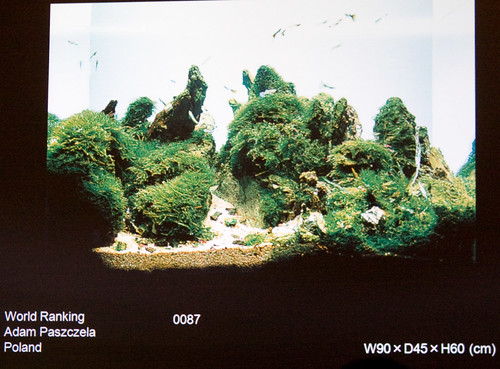
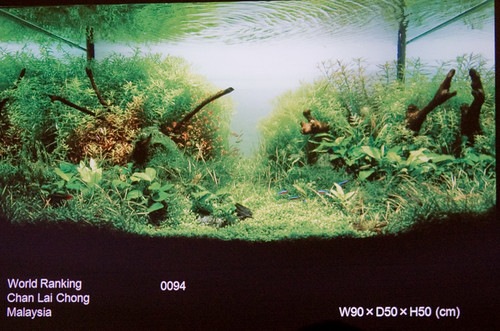
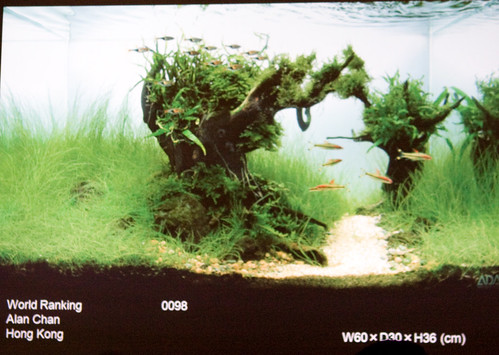
The obvious headlining speaker at the Aquatic Gardener’s 2008 Convention was Takashi Amano. Aided by his translator, Mr. Amano gave a very insightful view into the mind of a judge for his ADA Aquascaping Contest. As someone who has entered these competitions before, this information is very helpful for when I design my future aquascapes. Therefore, I wanted to share a number of slides from his presentation, as well as, his comments for what the entrant could have done better to receive a higher placing.

ADA Entrant Tank

#31: The driftwood is too centered. If moved to the right a little bit, it would be been more balanced.

ADA Entrant Tank

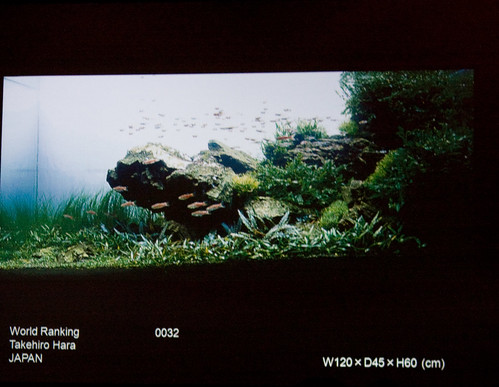
#32: The large rock is too far to the left, throwing off the balance of the aquascape.

ADA Entrant Tank

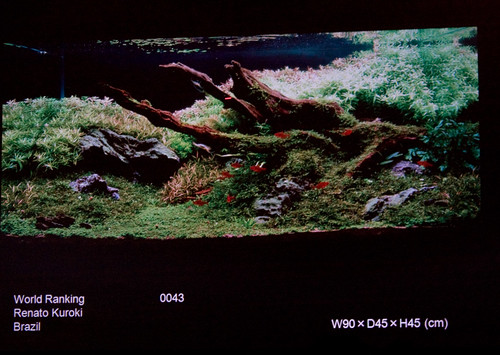
#43: The wood is too centered, and too close together. Spacing the wood further apart would have helped.

ADA Entrant Tank

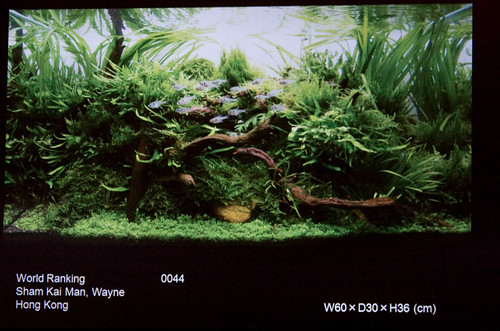
#44: Not enough negative space in this aquascape. It looks too cramped.

ADA Entrant Tank

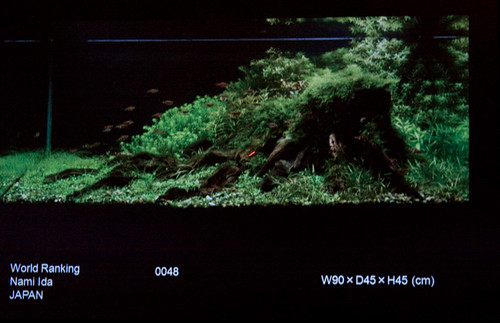
#48: There are too many stem plants around this tree stump.

ADA Entrant Tank

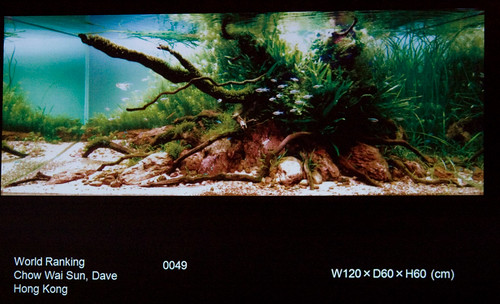
#49: The photographer used a wide angle lens when shooting this tank, making the driftwood appear distorted.

ADA Entrant Tank

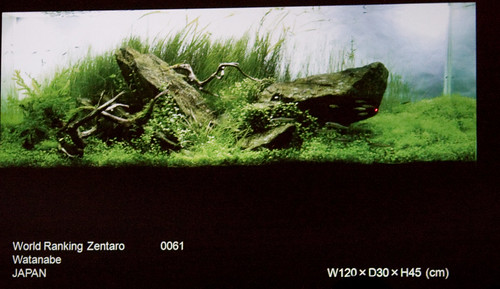
#61: The rock on the right is laying down too much. It should be pointing up at more of an angle to be balanced with the other rocks.

ADA Entrant Tank

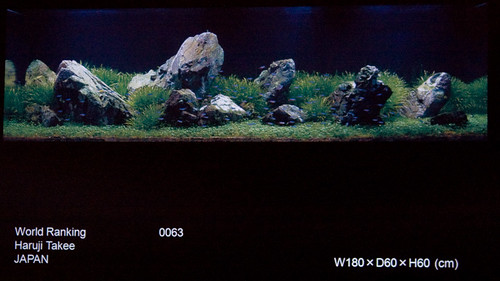
#63: The rocks are too much in a line. They should be staggered a little bit to look natural.

ADA Entrant Tank

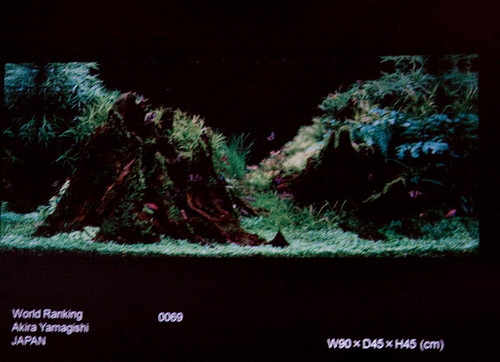
#69: The plant selection in the foreground and background are too different, making it look like the two don’t go together.

ADA Entrant Tank

#72: The plants on the left don’t match the plants on the right. While both look very nice, they don’t go together.

ADA Entrant Tank

#75: Nice scape, but the two pieces of driftwood nearly touch, which is distracting and unnatural looking.

ADA Entrant Tank

#79: The left side is too heavy, and not following the principles of the golden ratio. Also, the slope of the trimmed plants on the right and left don’t match. The right slope is too steep.

ADA Entrant Tank

#81: The moss is overgrown, and needs to be trimmed.

ADA Entrant Tank

#85: This scape would be better if the skinny piece of driftwood just left of center was removed entirely. Lots of entrants used too much hardscape to their detriment.

ADA Entrant Tank

#87: The mossy rock on the left is too close to the front of the glass creating a dark area.

ADA Entrant Tank

#94: The driftwood is unnatural and doesn’t match. The left pieces are skinnier than the right — they should be the same size.

ADA Entrant Tank

#98: Nice pieces of wood, but the whole scape should be shifted, as the wood is too centered.

ADA Entrant Tank

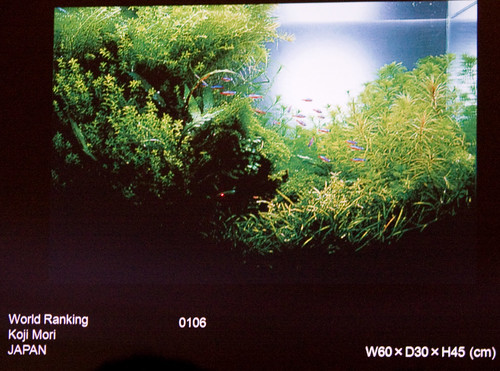
#106: The left side is too heavy, too oppressive.

ADA Entrant Tank

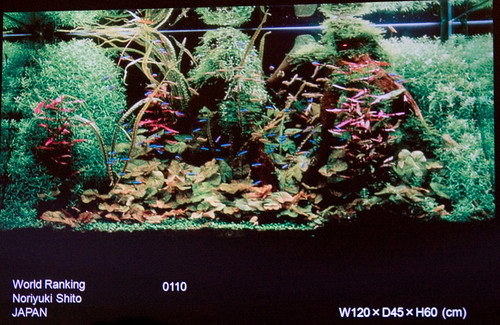
#110: Very progressive layout, but it’s lacking much open space.

ADA Entrant Tank

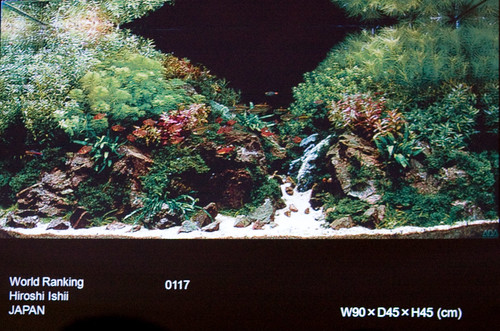
#117: Too much rock was used in this aquascape.

ADA Entrant Tank

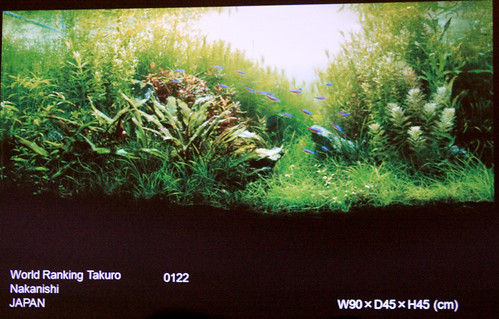
#122: Lacks focus, with no particular place being the focal point. Plus, the rocks are misplaced.

ADA Entrant Tank

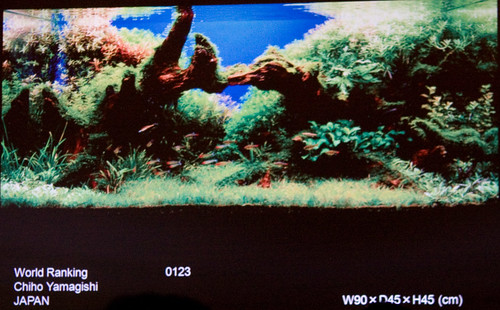
#123: The driftwood is far to large for this aquascape.

Business Broker

AGA 2008: Benito Tan: Aquatic Mosses

November 17th, 2008

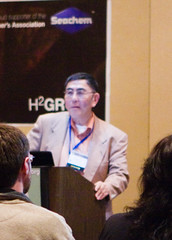
Benito TanBenito Tan gave a fascinating talk at the 2008 AGA Convention about aquatic mosses. One of the really nice things about Dr. Tan, is that he seemed to be somewhat familiar with both the scientific side of mosses, as well as, their application in the aquarium hobby. This allowed him to tailor the talk to exactly what a room full of 200 hobbyists wanted to hear.

He started his presentation detailing why it’s so difficult to identify mosses, and aquatic mosses in particular. Most aquatic mosses only grow their sexual growth under water. This means that your best guess at identifying them is by placing them under a light microscope so that you can look at cell structure, leaf shape, and branching patterns. Still, many times you still can’t be sure without the non-sexual growth of the moss.

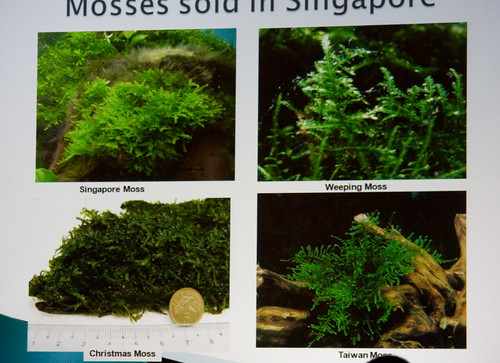
Dr. Tan then described how Java Moss has been called many things in the hobby since it was introduced. Again, many of these problems stem from the inability of hobbyists to correctly identify mosses, especially when they can look different under different growing conditions. He also talked about a number of mosses currently being sold in Singapore.

Mosses Sold in Singapore

He’s just recently started using DNA to try to identify various mosses, but described how even DNA presents its challenges. He said that DNA can almost always help you figure out an unknown moss’ genus, but you may still have to rely on more traditional methods to then determine the species. The reason for this, is that there are not enough known indicators for moss DNA to key on to find exact matches.

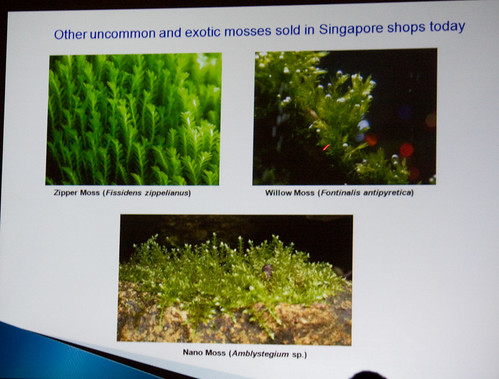
Other Mosses Sold in Singapore

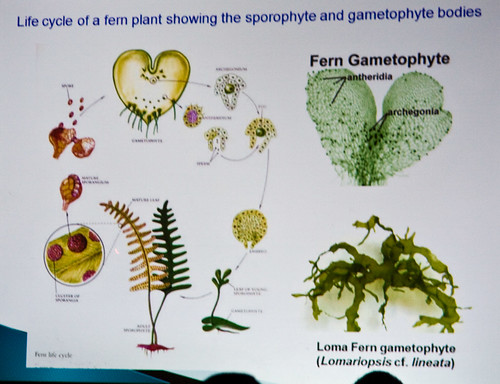
Dr. Tan also talked about a liverwort, Subwassertang, that’s been making its way throughout the hobby. What was most surprising is that despite its resemblance to Pellia, it is actually not a liverwort at all. In fact, Subwassertang is really a fern gametophyte that’s missing the female sex organs so it never matures to become an actual fern.

Life Cycle of a Fern

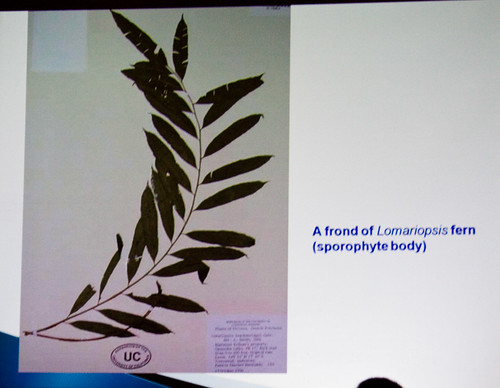
He’s done some research on the gametophyte, and believes that it is a fern from the Lomariopsis genus. What’s most peculiar, however, is that this type of fern is actually a branch climber, that lives entirely in trees. He doesn’t know why that type of fern would have an aquatic gametophyte for reproduction. Below is a picture of what the terrestial fern would likely look like.

Lomariopsis Fern Frond

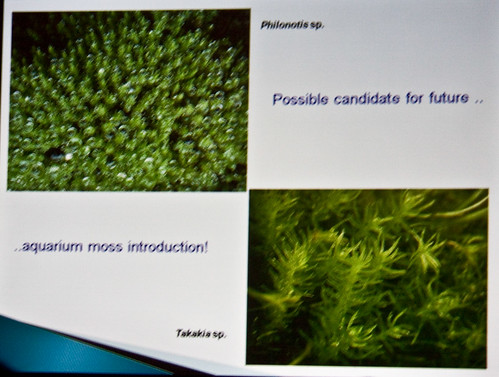
Dr. Tan ended his presentation with a rather enticing slide with two aquatic mosses that he believes would make great additions to the hobby. Privately, when I asked him if he thinks they will actually make it into the hobby, he said that it’s only a matter of time.

Possible Canidate Mosses for the Hobby

Another one of my most anticipated talks, Dr. Benito Tan gave an excellent and informational presentation. In addition, he also had a sharp sense of humor, which aided him during his talk. And for everyone that see’s terrestial mosses on the forest floor, and tries to put them in the aquarium, Dr. Tan urges you to stop drowning mosses, for he’s in favor of a “Cruelity to Mosses” society to champion their right to live undisturbed. A great speaker, and a great talk.

Business Broker

« Previous Entries   Next Entries »