Autumn Resevoir Visit

October 28th, 2007
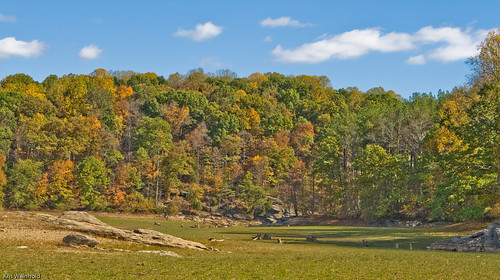
Authumn at the Resevoir

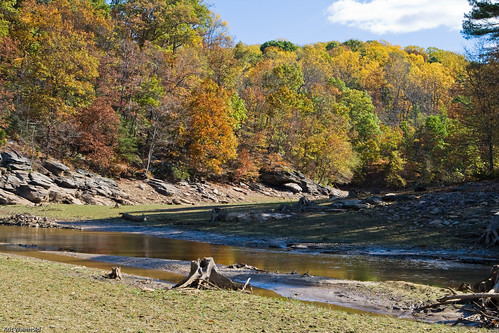
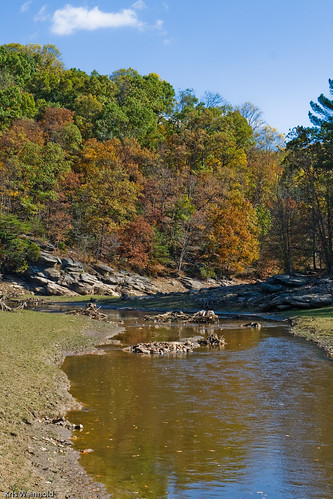
Autumn is one of my favorite times of year, with the leaves changing colors, and the crisp, but still pleasant air turning cooler. Last year, I discovered that the reservoir I have previously collected plants from is completely dry at this time of year. An entire lake is literally dried up to a small brook, leaving a huge field of emersed growth aquatic vegetation. As if that isn’t cool enough, the dried up lake bed has natural boundaries making it the perfect place to let my two dogs run their hearts out.
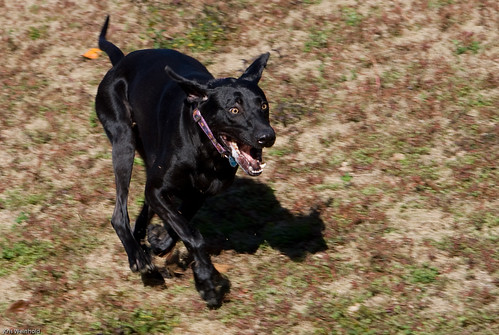
Bella

Above, is Bella, our weimaraner/lab mix running herself silly. She really is a bit nutty, but not nearly as much as the grin on her face suggests.
Authumn at the Resevoir

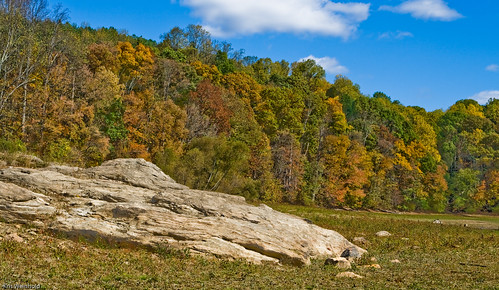
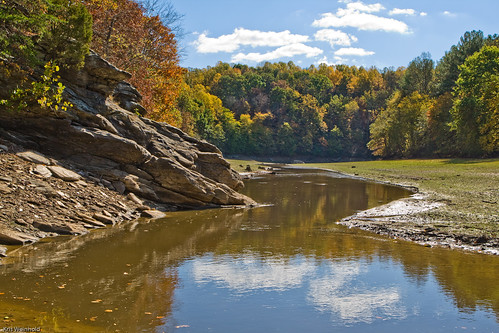
The receded water left many large rock-outcroppings in the middle of the field. Many of these could easily pose as inspiration for an iguwami-style aquascape. The rocks, merged with the brook and autumn leaves really left a nice environment for a stroll. Most years, the leaves would be a much more intense coloration, but due to the severe drought our area has had in recent months, they’ve held back a bit.
Authumn at the Resevoir

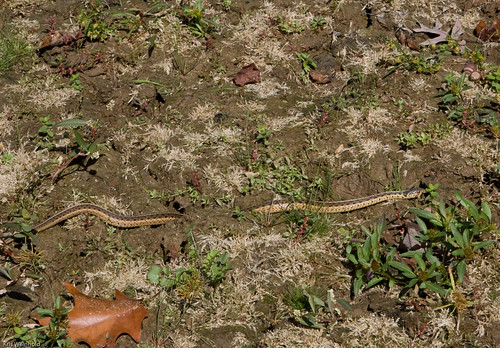
I was quite startled halfway through our walk when I nearly stepped on this snake, slithering from the cracked earth and moving toward some shade. I haven’t a clue what type of snake it is, but nevertheless, I let it go on it’s way. Fortunately, the dogs didn’t see it!
IMG_1474

The only downside of the afternoon was that our pants and boots were covered with hitch-hiker seed pods that did quite a good job at sticking through our pants and into skin. They came from some thistle-looking seeds pods on the top of some really beautiful red-leaved plants. Unfortunately, I’ve tried growing that plant before submerged, and it melts.
Authumn at the Resevoir

Otherwise, it was a great way to tucker our dogs out a little bit, and enjoy the fall weather. I’ll be sure to post some more aquarium-related posts this week, as I’ve been doing work on my 75G and 40G scapes. I hope you enjoyed the pictures!
Authumn at the Resevoir


Business Broker

Aquafest 2007 – Aquascaping Demo & Auction

October 24th, 2007

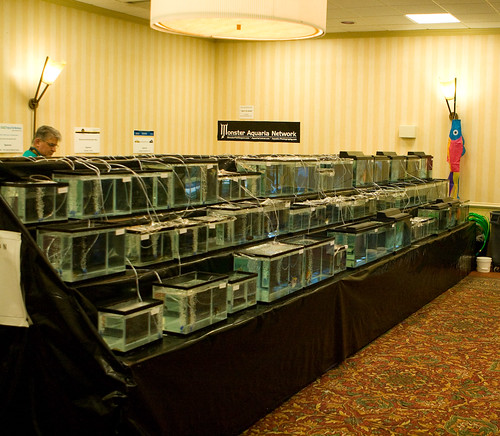
Aquafest 2007 was much more than just a set of lectures. In addition to being a fun, social event, CCA also hosted a fish show, showcasing over 100 top-quality fish from around the area. As you can see below, there was no lack of tanks. Cichlids seemed to be the most prominent type of fish on display with discus the size of dinner plates, gorgeous Africans, and even a few apistogramma making appearances. There were also a number of catfish showing.

Fish Show - Aquafest 2007

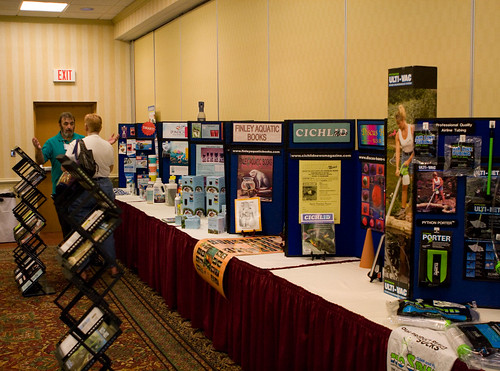
In addition to the fish show, Ray “Kingfish” Lucas had a number of displays setup, touting products from a number of great aquarium-related manufacturers. Tony Orso was also setup, with a few other vendors, such as Anubias Design, at the festival.

Vendor Displays

Besides introducing Eric Do, GWAPA’s big event of the weekend was the aquascaping demonstration, led by myself and recent APC tank-of-the-month winner, Jeff U (bigstick120). Aaron T, Dave W., and Eric Do also helped field questions while we were presenting.

Creating the Hardscape

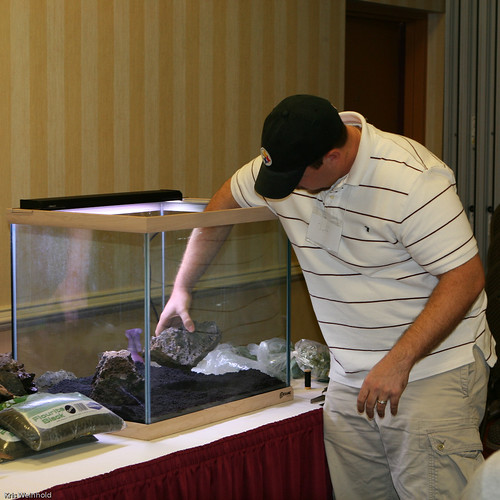
We gave a pretty straight forward aquascaping demonstration, trying to mimic Amano’s demonstration at the 2004 AGA convention that GWAPA hosted. Jeff added some brand new Seachem Flourite Black to our 37G Oceanic tank, and began setting up the hardscape. I did my best to explain that you often want to group rocks into odd numbered groupings, and avoid symmetry when possible.

Dual Planting

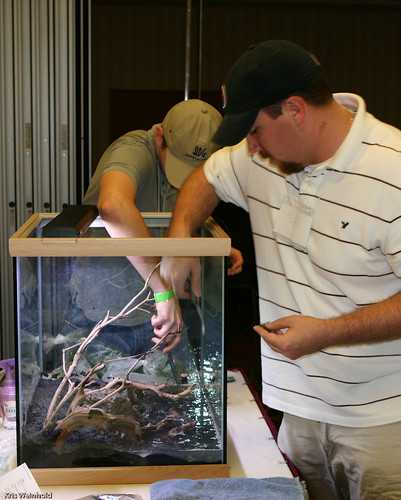
Once the hardscape was in place, Jeff and I started planting HC in the foreground, along with some Blyxa japonica, anubias barteri var. nanaand downoi in the midground.

Planting

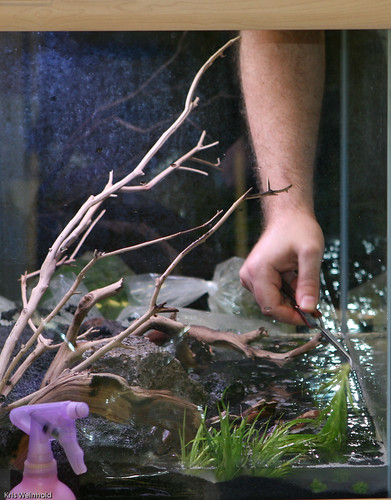
We explained how you want to plant the tank mostly dry, with just enough water to compact the substrate for easier planting. After planting all of stems it was time to fill up the tank.

Nearly Done

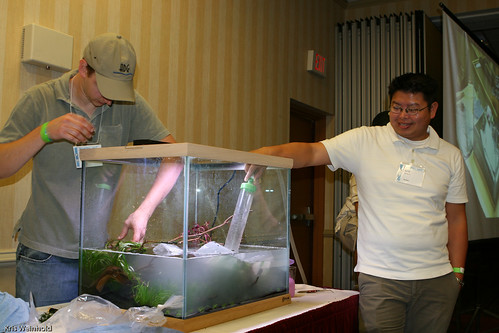
Eric Do helped out with the chore of filling up the tank, using the empty Flourite Black bag as a shield to disturb the substrate as little as possible. (I mentioned yesterday how Eric is a great guy, right?) I continued planting, and also added some Java moss to the branches of the manzanita.

Eric Do Helping Out

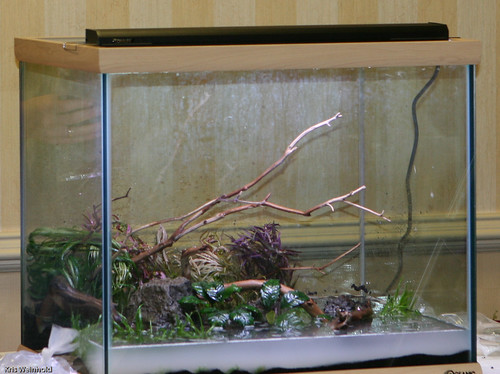
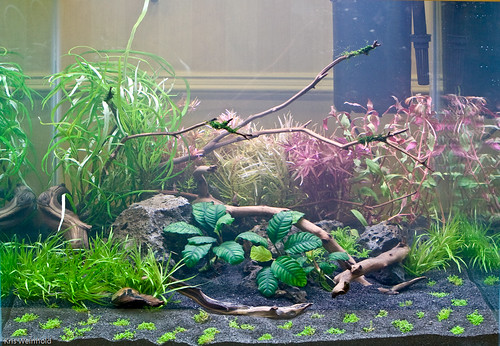
Finally, with the help of a H.O.T. magnum micron filter, the water cleared, and we were left with the aquascape below. It didn’t come perfectly, but it was enough to inspire plenty of questions from the folks attending. This entire setup was raffled off the next day, with lucky winner Rodney C., winning the raffle.

Finished Aquascape

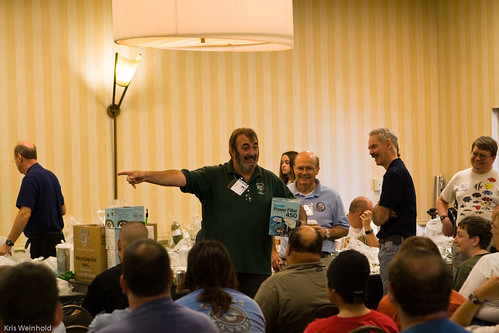
The auction itself was a HUGE event. Registration started around 9:00am. All items were auctioned off by 7:45pm. Yes, the auction ran non-stop from 10:00am to 7:45pm, selling at least2000 individual items by my estimate. Some club members believe that it may be the largest aquarium auction ever in the history of the three clubs participating. If you missed it, you missed an opportunity to grab anything from books, tanks, equipment, fish, plants, invertebrates, substrate, etc. at great prices.

Ray

I didn’t come away empty-handed, either. I won the following:

Fish:
Nannochromis nudiceps
Ancistrus sp. L279 “Huaco Mayo”
Corydoras Paleatus

Plants:
Crypt. wendtii “Dewitt”
Anubias sp. “Gasser”
Anubias barteri var. ‘nana eyes’

I’ll post more about where all of those things went later this week.

Business Broker

Aquafest 2007 – Speakers

October 23rd, 2007

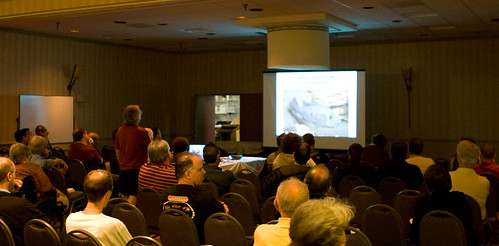
On Saturday, three local clubs, GWAPA, CCA, and PVAS put on a great aquarium festival. Over 100 hobbyists attended, and the fish show was stocked with the best fish of the area. Three key speakers were present, each giving very insightful presentations about their area of expertise.

IMG_1277

Tony Orso gave the first talk about West African Fish. Tony and his wife breed many exotic fish, and also had a vendor table setup with many for sale. During his talk, Tony rattled off facts about more West African fish than I could scribble notes about in my notebook. He ran through nearly all of the Hemichromis jewel cichlids, spent quite a bit of time on the Tilapia, and many other genera. As it turns out, he talked about Nanochromis nudiceps, which I ended up snagging in the auction on Sunday. Ultimately, I have a long list of species names that I need to start chugging into the web to learn more about after this presentation.

Rusty Wessel

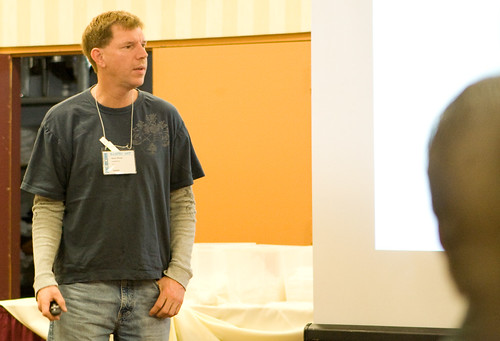
Next on the bill was Rusty Wessel to talk about experiences collecting in Honduras. Rusty has been to the country over 18 times, and noted many differences between his visits. He mentioned how much more accessible the rivers became after Dole corporation built paved roads all throughout the country to transport their produce from the fields to port. Unfortunately, deforestation by slash/burn, generally poor infrastructure and pollution throughout the country, and introduced Tilapia still threaten the native fish population.

Liberty Molly - Rusty Wessel

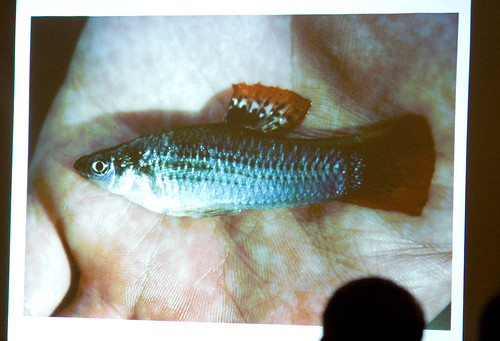
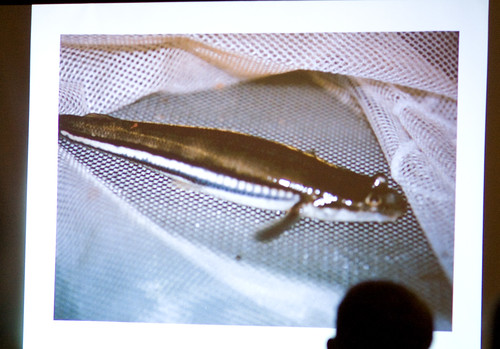
Above is a brand new fish discovered in Honduras called the Liberty Molly. Rusty was nice enough to bring a pair of these to auction on Sunday. He talked about many different river systems, including the Rio Choluteca that flows toward Nicaragua, and is home to many convict cichlids and a native anableps livebearer, shown below.

Anableps

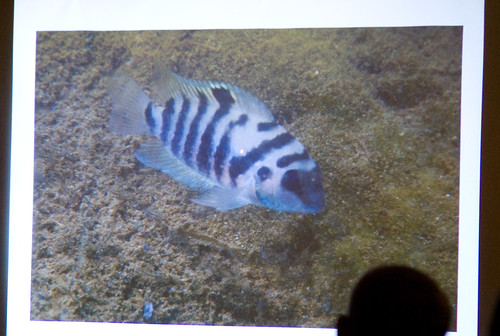
The Honduran Red Point Convict Cichlid is another excellent fish from the country. It is easy to breed, producing up to 75 fry per spawn, and only grows to 3-4 inches in length. In addition, it’s not very agressive, and is pretty too, as you can see below. This species was just described about a week ago, and is distinguished from other convicts by the broken vertical line above the head.

Honduran Red Point Convict Cichlid

Rusty went on to cover a number of other native fish such as the Rainbow cichlid, Black-belt cichlid, Jack Dempsey, cuteri, and many others.

Eric Do at Aquafest 2007

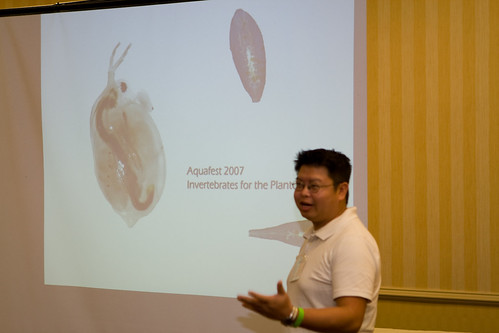
Finally, GWAPA’s speaker, Eric Do gave his presentation about “Freshwater Invertebrates in Planted Aquariums.” I was fortunate enough to spend most of Friday with Eric and a few other GWAPA members as we gave him a brief tour of Washington D.C. Not only does Eric know his invertebrates and plants, but he’s a great guy. Eric gave an updated version of the same presentation I saw him give at the AGA last year. He went through a huge list of shrimp that we know in the hobby — Cherry Reds, Amanos, Snowball, Red Dragons, Tigers, Greens, etc…

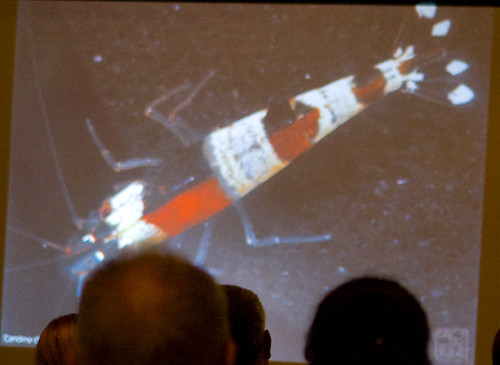
Crystal Red Color Morph

New to his talk were many pictures of some of the color morphs breeders are creating with the crystal red shrimp. Above is a very valuable anomaly of a crystal red where half of its body is red and the other half is black. He also noted that although uncommon, crystal reds and cherry shrimp can hybridize so they should be kept separately. In of tank of many females of one species, and only a few males from the other, nature will find a way.

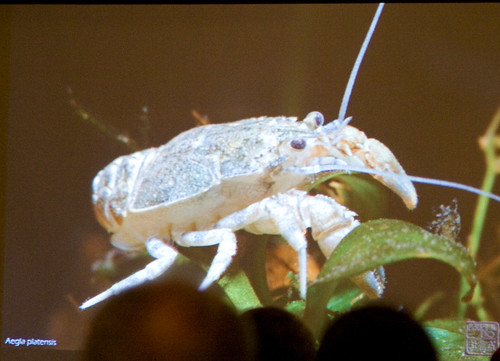
Aegla platensis

Finally, Eric introduced the Aegla platensis freshwater dwarf crab. It really looks more like a cross between a crayfish and a crab, but is a crab nonetheless. It only gets to 2″ in length. Neat!

Business Broker

40G Scape – Two weeks in

October 18th, 2007

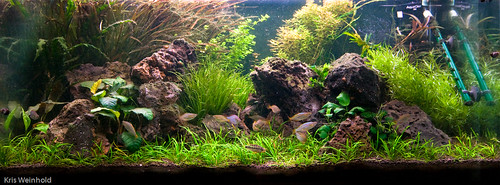
Here’s a picture of my 40G tank 2 weeks after I rescaped it. As you can see, everything is growing quite well. I’m getting a little bit of algae on the rocks and Blyxa aubertii due to poor circulation in some areas, but I hope to address that over the next couple weeks. I’ve been dosing the full Seachem line of ferts and have been getting really nice growth. The Rotala macrandra var. ‘green’  in the back middle shot up out of just a few stems, and looks gorgeous. The anubias are very slowly starting to point toward the light, but still have a little bit to go.

40G - 2 weeks

Note that this picture was taken without trimming anything in the tank, so if the plants look like they need a trim, they do. Please let me know if you like the direction this tank is going, and if you have any suggestions, by all means comment. (I have very thick skin for critique.)

Business Broker

Croatan National Forest

October 15th, 2007

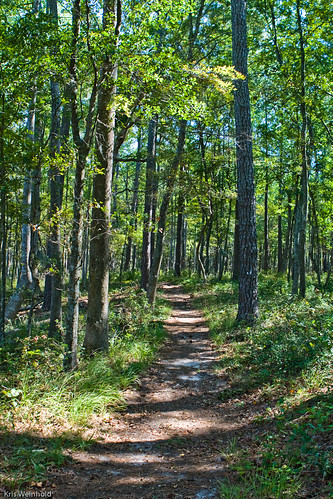
This week, my wife and I visited her sister in North Carolina, who lives near Croatan National Forest. This national park is a huge plot of 160,000 acres of pine forest, saltwater estuaries, bogs, and pocosins. I have posted previously about visiting a beach on the Neuse River, which was also in the park. This time, we decided to hike part of the Neusiok Trail, which is a 20 mile long trail from the beach into the forest; we only did a small portion of the trail.

Croatan National Forest

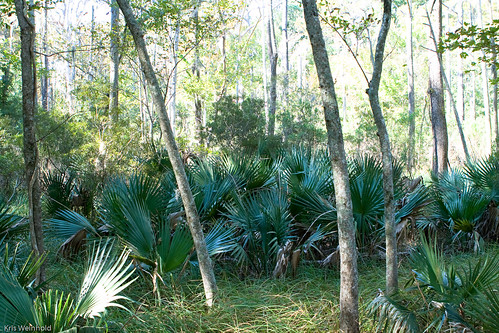
I had come hoping to get lots of photos of Venus flytraps, pitchers plants, and sundews, but as often happens, I came away with a different experience altogether. Instead of pitcher plants, we came across a really nice grove of palm ferns near the coast. Whether they’re native or not, I haven’t a clue, but they remind me a lot of some places in Hawaii.

Croatan National Forest

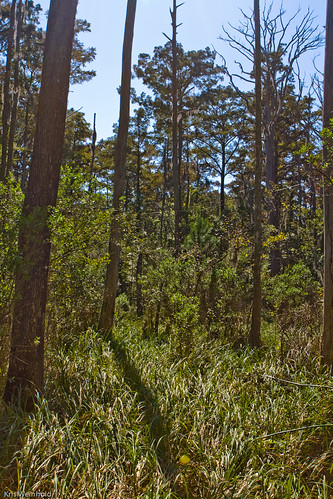
Further in on the trail, we found what should have the perfect bog habitat for carnivorous plants. Pine needles lined the tannin stained water bottom, and only a few grasses were throughout the area. Still, even between the grasses, I didn’t find the plants I was looking for. I’ve read a bit on the Internet about how poaching is a huge problem for this area, where collectors or resellers illegally dig up entire stands of carnivorous plants for their collections. I can only assume that any public trails that once had any rare plants are now probably devoid of them.

Croatan National Forest

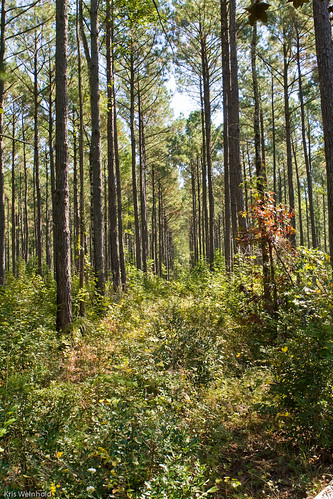
There were many old trails present along the main trail. Below you can see how an entire path was blazed through the trees, only to be abandoned allowing small brush to take over.

Croatan National Forest

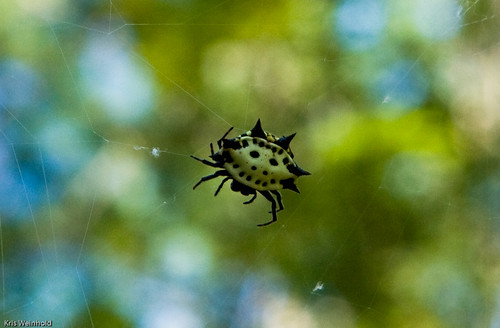
Fortunately, even though we didn’t find any carnivorous plants, we did find some interesting carnivorous creatures. I nearly walked face-first into this spider and web. Fortunately, I didn’t disrupt his web, and was able to get a picture. We also saw a number of small lizards scurrying along many fallen logs.

Spider at Croatan National Forest

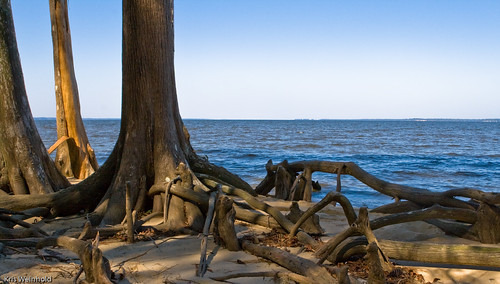
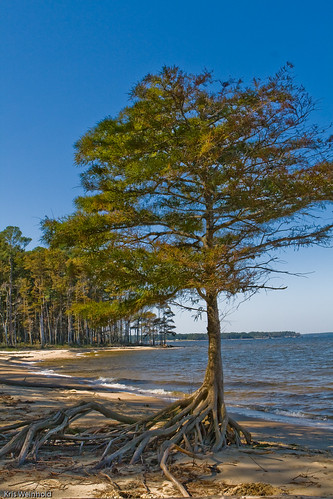
Accepting defeat on our carnivorous plant search, we decide to head back toward the Neuse River beach, and enjoy the pleasant sea breeze. The beach itself was fantastic with plenty of Cyprus trees growing right up to the water, with their tangled roots exposed.

Neuse River

As we were walking along the beach, we noticed some activity out in the water. Apparently, during this time of year, the sality of the Neuse River increases, and ocean creatures venture upstream. We witnessed proof of this when a whole family of dolphins was jumping and splashing through the water. As many times as I’ve seen dolphins, I still am fascinated every time!

Nuese River

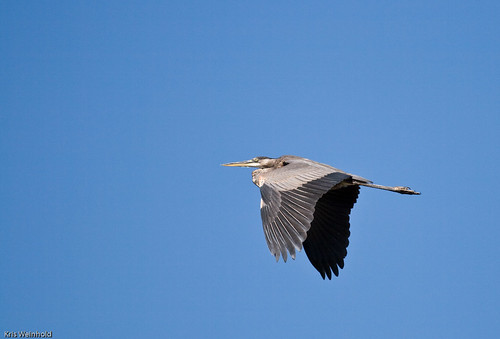
That wasn’t the only activity of the day. Multiple types of birds were patrolling the skies, looking down at the water for signs of their next fishy meal. We witness this crane make repeated attempts toward fish.

Crane at Neuse River

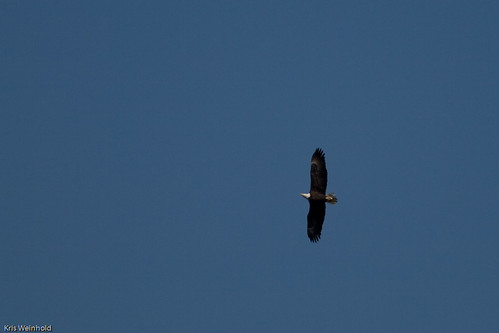
Our most impressive bird of the day had to be this Bald Eagle. This amazing bird was also diving into the water for fish, and then retreating back to top of some of the Cyprus trees to enjoy their meal. I wish it would have be closer for me to get a better shot.

Bald Eagle over Neuse River

I highly recommend visiting this national park if you’re in the area. I still haven’t covered 1/10th of what they have to offer. Next time I go down, I’m going to be sure to contact a ranger first in hope pothat they might be able to guide me toward the carnivorous plants I’m seeking. Until then…

Business Broker

« Previous Entries   Next Entries »