• Pages

  • Categories

  • Photos

    Anubias nana 'petite' Dandy Lion Flower 20G long
  • Archives

  • Options

Just Another Bald Eagle…

July 12th, 2010

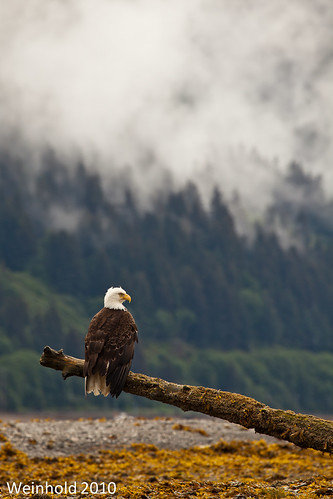
This morning when I woke up, my wife and I noticed that several dozen bald eagles were outside of our place on the algae flats exposed by the low tide. Several times a day, as the tide comes and goes, a rather large area of land sinks and rises from the water line, which leaves several tidal pools that the birds are interested in. Up until this morning, the most eagles that congregating here was about 5 or 6, but the salmon migration should start very soon, so we surmised that they may have sensed this and were waiting at the creek that flows into the channel here.

Bald Eagle, Juneau, AK

Regardless of there motives, I threw on my boots and headed out the door to try and get close enough to photograph the eagles. I took a wide swinging cautious approach so I wouldn’t startle the birds, and eventually got within 50 feet of this particular eagle. I love the mist in the background, and the brown macroalgae underneath this log. Shortly after taking this photograph, I was navigating the algae and found a particularly soft spot, which left me calf-deep in the mud. Eventually, after removing my boot, I managed to free myself and my footwear, but the birds had flown another 100 feet down the beach. It was time for my morning coffee anyways!


Business Broker

Lynn Canyon, Vancouver, B.C.

March 5th, 2010

While out in Vancouver, we were able to take a short trip north to Lynn Canyon, a wonderful municipal park known for their suspension bridge.

Lynn Canyon, Vancouver, B.C.

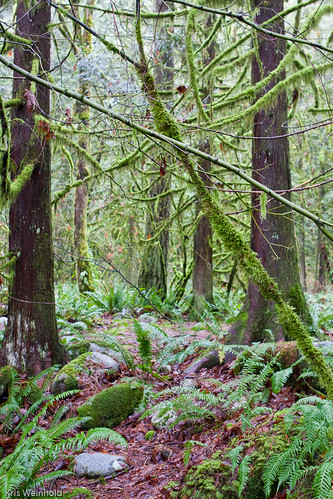
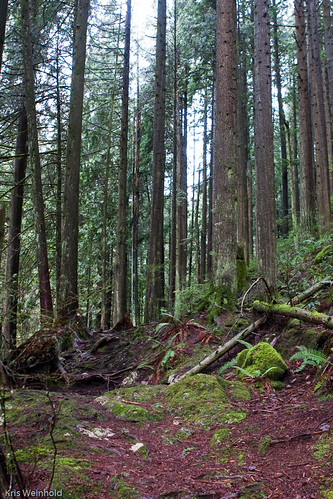
Vancouver is blessed with a warm Pacific stream which makes the weather much more mild than other places around the globe at the same latitude. The Northwest has a number of temperate rain-forests, with Lynn Canyon being a second-growth forest, but still very much influenced by the weather.

Lynn Canyon, Vancouver, B.C.

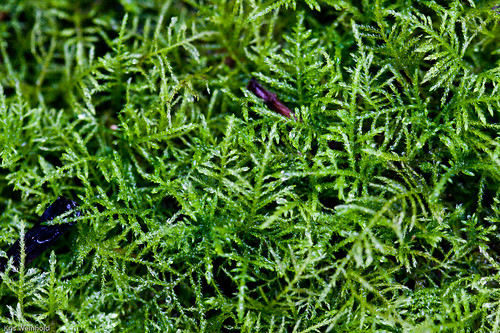
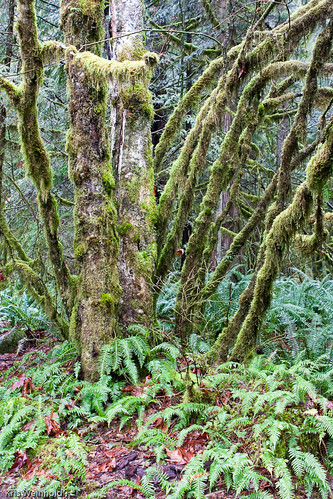
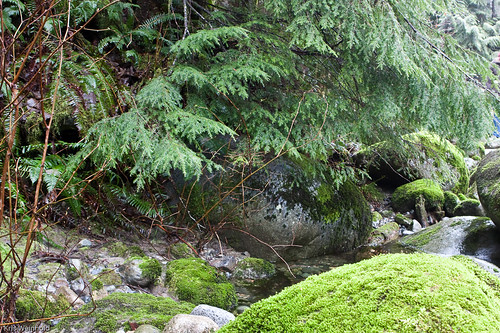
The first thing you notice is that everything is absolutely covered with several different types of moss. Some trees are 100% covered from the base all the way to the top. It’s pretty incredible!

Moss

Besides the moss, ferns are prominent throughout the forest there. We were hiking with a couple of locals from Vancouver, and they said that this was the greenest they’d ever seen the ferns. Of course, it was pouring down rain while we were out walking about. (Our friends told us that if we let the rain stop us from doing things in Vancouver, we’d never see or do anything.)

Lynn Canyon, Vancouver, B.C.

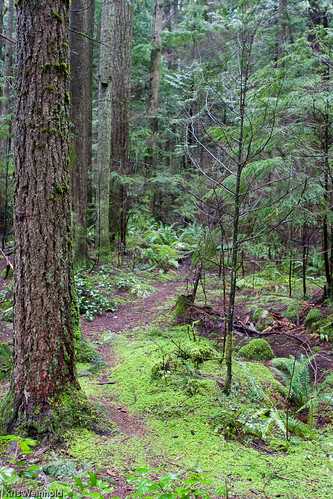
We followed a trail up above the canyon, about 3-4 stories up from the water, for awhile before heading down toward the river.

Lynn Canyon, Vancouver, B.C.

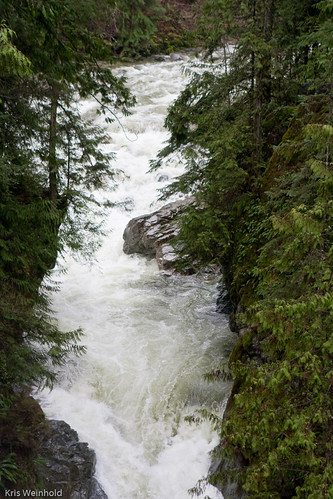
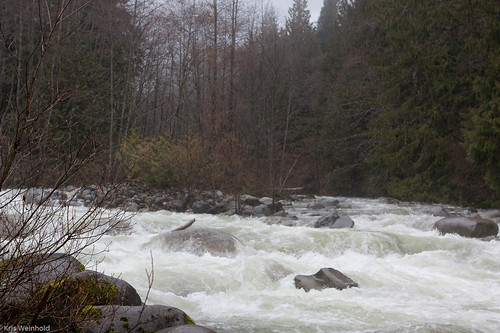
As I mentioned, it was raining pretty hard that day, so the water was very high and very rapid. Large rocks lined the sides of the water, leading to some breaks with sandy and peddle bars near the still areas.

Lynn Canyon, Vancouver, B.C.

Moss even covered the rocks by the river, despite getting more sunlight than under the tree cover. It made for some very pretty scenes, that reminded me of Riccia fluitans stones used in an aquarium.

Lynn Canyon, Vancouver, B.C.

We spent some time exploring the various nooks and crannies along the river, and at times hit sections that were impassable. In several instances, we had to climb 4 flights of stairs up the side of the canyon in order to continue following the water.

Lynn Canyon, Vancouver, B.C.

The folks in Vancouver are really lucky to have such a nice public forest so close to them in North Vancouver. If we had more time, I could have spent several days exploring the trails throughout this park.

Lynn Canyon, Vancouver, B.C.

Of course, that’s just reason to come back another time!

Business Broker

Vancouver Aquarium

February 27th, 2010

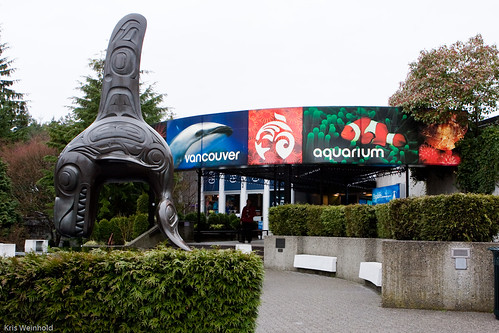
I haven’t posted in almost two weeks, as I was vactioning in Vancouver for the Olympics. The Olympic experience was fantastic, but during my trip I also wanted to follow our tradition of visiting the public aquarium of whatever city we traveled to. The Vancouver Aquarium resides in a beautiful area of Vancouver called Stanley Park, which is full of walkways, huge trees, sea walls, and much more. The area around the aquarium is very nicely landscaped, and easy to navigate.
Vancouver Aquarium

One of the first areas that we toured inside the aquarium was a series of biotope aquariums from around British Columbia. They really did a fantastic job showcasing the different habitats throughout the province, providing excellent signage and information plates throughout. As someone who really appreciates native North American habitats and fishes, this may have been my favorite section of the aquarium.
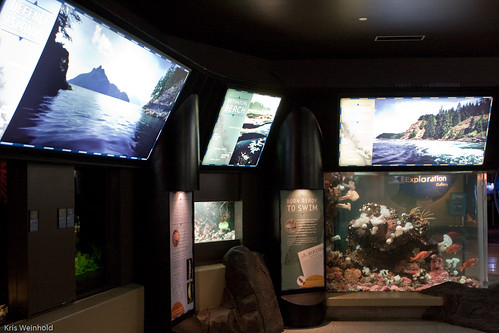
British Columbia Biotope Tanks

One of the natives that I enjoying watching was this sculpin (below). Since sculpin don’t have swim bladders, they lay prone on the ground and dart around. To me, this tends to give them a little bit of personality, and this particular fish seemed to be posing for the camera.
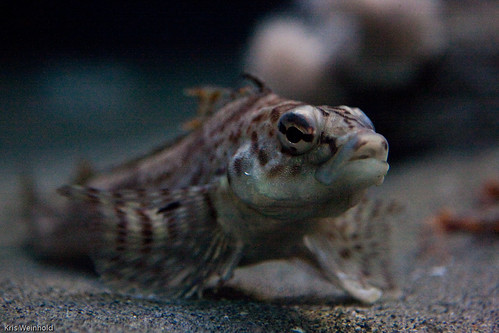
Sculpin

Speaking of swim bladders, we got invited into a classroom area by a couple of interns to watch them dissect a salmon. All the while, they pointed out the various prominent parts of the fish anatomy, including the swim bladder, heart, liver, testes, gills, etc… They also talked about how the aquarium tracks various fishes in the wild using embedded transmitters that they surgically implant into the animal so that they can monitor their life cycles.
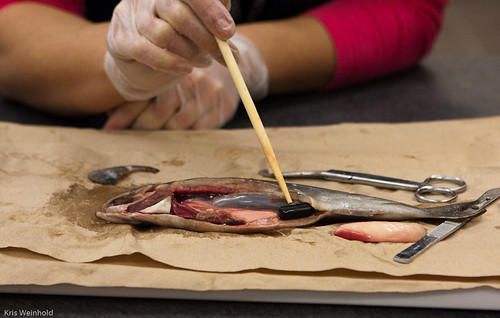
Dissected Salmon

Like most aquariums these days, they had a nice jellyfish exhibit, back-lit with the intense blue lighting.
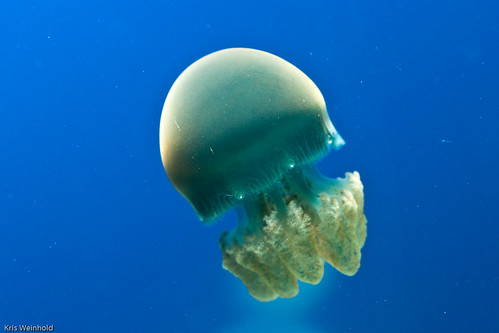
Jellyfish

One of the things I was most impressed with throughout the aquarium was the aquascaping ability of the maintainers for these tanks. In some public aquariums, they do a fine job showcasing the inhabitants of the tank, but in Vancouver, it was obvious that they were equally concerned with making the habitat equally as attractive without making it look artificial. A fine example of that is this reef “clownfish” aquarium where they used a combination of macro-algae, rocks, and anemones to really make a nice display tank. Well done!
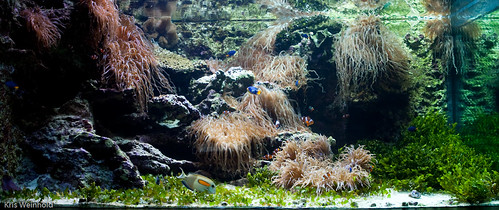
Nice Reef Scape

Like the aquarium in Baltimore, the Vancouver Aquarium also has nice tropical exhibit which includes a rain forest area. The rain forest had a series of parrots, butterflies, and other animals from the Amazon on display.

Rainforest - Vancouver Aquarium

They had a rather large aquarium showcasing one of my favorite South American beasts, the Arapaima, an air-breathing fish that can survive very low oxygen levels. They can grow to over 400lbs, and are very prehistoric looking creatures. I very much enjoy everytime I’m able to see one.
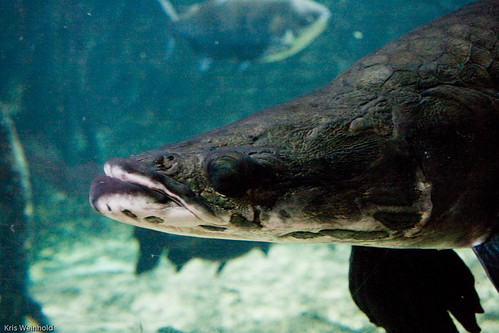
Arapaima

The Aquarium also has a nice amphibian exhibit, including a whole set of terrariums featuring frogs from around the world. I thought that this particular terrarium was another nice example of putting together an attractive layout, while still showcasing the tiny frogs therein.
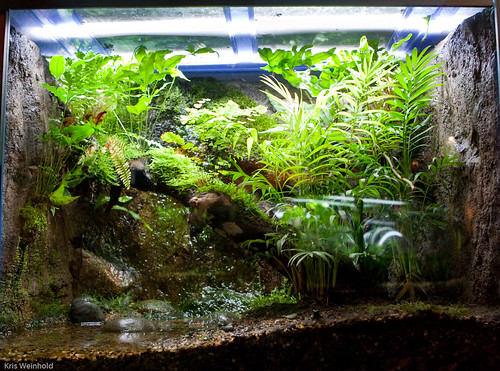
Frog Terrarium

It wasn’t just the small colorful frogs that were on display, however. They also included a few others, such as bullfrogs, which are an invasive species in this part of the country, which were originally introduced as a food source. (frog legs)
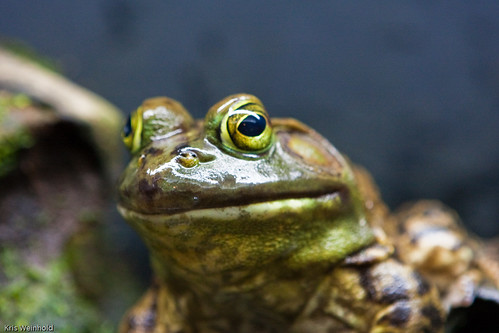
Frog

Outside, there were several much larger pools containing dolphins, whales, turtles, and other large sea creatures. While you could view all of the pools from above, each pool was also available to be viewed underground via a series of rooms that included more information and more views into the tanks. One area that was particularly interesting was an arctic fishes exhibit, showing fish and other animals that thrive in sub-zero waters.
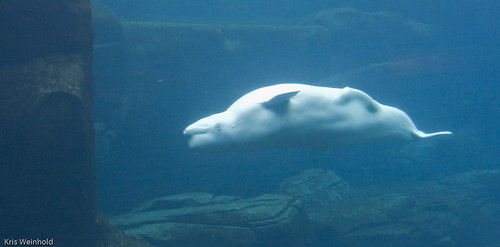
Beluga Whale

Having been to several public aquariums throughout the U.S., I always hope that each new one will offer something different from the rest. The Vancouver Aquarium did that with theor B.C. set of exhibits, and their superior attention to presenting nicely aquascaped aquariums throughout. They also had an equally as impressive 4D theater which featured a short Planet Earth “Shallow Seas” film in 3D with water sprays, seat rumbles, and bubbles in the air during the show. It was a nice value-add to an otherwise exceptional experience. I highly recommend visiting the Vancouver Aquarium.
Business Broker

Connecticut Trip

August 18th, 2009

Last weekend, I was in the Connecticut area with a couple of friends, so we took the opportunity to check out a few of the local bodies of water in the area. Our first stop was actually not in Connecticut, but nearby in Rhode Island at Worden Pond. Worden Pond is a large pond with lots of campgrounds and houses surrounding it. There was a lot of marsh and floating debris, creating rather tannin colored water.

Worden Pond, RI

In with the rushes were quite a few large Sagittaria plants in flower. The flowers are an attractive white with yellow in the center, resting on a long stalk that protrudes from the water itself. A campground was kind enough to allow us to use their beach to take some pictures while we drove through.

Sagittaria Flower

One of our other stops was Roger’s Lake in Old Lyme Connecticut. This is the town from which Lyme’s Disease is named, but fortunately, I didn’t encounter a single tick on this trip. We stopped at one of the public boat ramps to see what types of vegetation were present. It’s a very pretty lake with lilies growing in several places. It looks like the wonderful place to kayak for the day.

Roger's Lake, CT

One of the interesting plants growing in this lake is an isolated population of Ludwigia x lacustris. This particular Ludwigia is a natural hybrid between Ludwigia palustris and Ludwigia brevipes. Below is a picture of the emersed form growing on the bank.

Ludwigia x lacustris

One of the ways to differentiate it between regular Ludwigia palustris and the hybrid, is that the hybrid’s flower contains petals, while L. palustris‘ flower does not. The flower is very typical looking compared to other Ludwigia species that I’ve seen.

Ludwigia x lacustris Flower

Submersed, Ludwigia x lacustris is a wonderful plant. I’ve kept some in my aquariums for a little while prior to this trip. Below is a picture of the submersed form in the lake. As you can see, the leaves are long and narrow like L. brevipes, but not quite as narrow, and exhibit a nice reddish orange color like L. palustris. It’s not too dissimilar from Ludwigia repens x arcuata, but it’s growing pattern is more upright, whereas, L. repens x arcuata grows more at a 45 degree angle.

Ludwigia x lacustris Submersed

Of course, we weren’t there to just look at plants. We enjoyed seeing several species of waterfowl, and of course, several frogs and turtles were present. Looking at the picture below, I imagine that there were quite a few more frogs than we spotted due to their excellent ability to blend with their surroundings.

Frog

Another notable stop on our trip was Chapman Falls at Devil’s Hopyard State Park in East Haddam, CT. The falls are large series of cascading falls, which are only partially shown below. The full falls are probably 4-5 stories tall, and are quite impressive.

Chapman Falls, CT

The top of the falls are just as beautiful, being lush with plant life. There was a huge expanse of some Polygonum species growing up out of the water, as well as, some Schoenoplectus subterminalis bulrush flowing in the strong current.

Top of Chapman Falls

All in all, it was wonderful to be able to experience a few of Connecticut’s wonderful nature areas while traveling through the state. I would really like to get back up there to do some more hiking than I was able to do on this trip. I highly recommend checking out these parks to anyone in the area.

Business Broker

U.S. Botanical Gardens Production Facility

April 7th, 2009

After our tissue culture workshop on Saturday, one of the attendees offered to take a few of us on a tour of the U.S. Botanical Gardens Production Facility where she volunteers. I have been to the U.S. Botanical Conservatory downtown in the city, but the production facility is a set of more than a dozen greenhouses which support the conservatory and other federal initiatives.

Greenhouse

Simply put, this tour was a plant geek’s heaven! The size of the greenhouses are tremendous, and the vast quantity and variety is probably beyond compare in the country. The only thing I noticed they were missing was a large aquatic plant section, but that’s more than forgivable.

Flower

They had one greenhouse entirely dedicated to houseplants. Why would a place like this waste space on plants you can pickup in any hardware store or garden center? They provide a service to congressman who need plants for their offices. Each office is allowed to pick out up to six plants per year. If they kill more than that, they’ll have to get their own plants!

Orchid

Just like at the conservatory downtown, the premier greenhouse at the production facility is their orchid room. I’m not someone who knows a lot about orchids, but some of the other members in my group were pretty bowled over by the species they saw in this room. One of the volunteers told us that this facility is one of two in the country that is legally permitted to grow out restricted orchids if they are confiscated by growers or poachers possessing them illegally.

Tree Frog

The facility does have to use pesticides to control pests from taking over their greenhouses. They mentioned that they often see the notorious D.C. cockroach, which is several inches in length. Aphids, bacteria, funcus, and others give them trouble just like in any garden. Of course, some favorable intruders take up residence as well, such as the common tree frog above.

Succulent

One of their other greenhouses consisted entirely of succulents and cacti. Of all of the areas, this greenhouse by far had the most bizarre looking plants. These cacti were so specialized to their environment, that they looked other-worldly. Some looked like rocks, plastic, wax, etc. Really neat plants!

Crypt wendtii emersed

Of course, I did finally find a few aquatic plants. I remembered that they had some Cryptocoryne in the gardens downtown, so I knew that they must have some in the greenhouses. Sure enough, we found several pots of lush Cryptocoryne wendtii, both red and green varieties. We also saw some Anubias species, and a couple of other water plants.

Sundew

Another greenhouse had bog plants, including many varieties of sundews (shown above), venus flytraps, pitcher plants, etc. With so many carnivorous plants in one place, I did wonder if they have to add flies to the greenhouse, or if they artificially feed them. Unfortunately, I never got to ask that question.

Flower

We noticed in one of the other greenhouses that the majority of the plants had either purple leaves or flowers. Before we could ask, our volunteer explained that purple is Michelle Obama’s favorite color. Therefore, for an upcoming event involving past and present First Lady’s, they are preparing a slew of purple plants to transplant into the White House garden, and other beds.

Plant

The shear variety of plants in this facility was astounding. I took far more pictures than I can narrate in a single post. Therefore, the rest of my post is made up purely of some other pictures I took there. I hope you enjoy them as much as I enjoyed my visit of the U.S. Botanical Gardens Production Facility.

Read the rest of this entry »

Business Broker

Seattle Aquarium & Butterflies

March 17th, 2009

Last week, my wife and I visited a friend in Seattle, and while I was there, I was able to visit the Seattle Aquarium and the butterfly exhibit at the Pacific Science Center. Upon entering the Seattle Aquarium you come to a huge floor-to-ceiling aquarium with all kinds of fish in it. After spending some time in front of that large tank, and walked around to a number of smaller saltwater aquariums.

Fish

Many of the saltwater aquariums there are the type that many hobbyists seem to be able to procure. They have a number of fan favorites including eels, clown fish, tangs, and various other fish you’d see in the movie Nemo.

Saltwater Aquarium

I was a little bit disappointed at the complete lack of freshwater exhibits at the Seattle aquarium, although they did have a nice focus of fish native to the northwest region. In particular, they had a number of features surrounding salmon, for which the area is well-known for.

Eel

They had salmon at various stages of their lives, along with descriptions about what wild salmon would be doing, including whether or not they would be in fresh of salt water at the time. The aquarium also exhibited a large number of salmon ladders, which during the proper time of year would show the fish returning home from the wild to their hatchery. I hope to get back to Seattle sometime in the future during the salmon migration.

Salmon Fry

And of course, no aquarium would be complete without their water birds and mammals. The otters were particularly active that day, swimming back and forth, chasing each other, and seemingly having a grand old time.

Otter

While the aquarium didn’t have a single planted aquarium exhibit, the native habitat exhibits were worth the price of admission. All of the exhibits there were well-done, and the building itself is a modern facility. Overall, I would recommend visiting the Seattle Aquarium. After visiting the aquarium, I decided to walk across town to the Pacific Science Center, where I had previously spotted their beautiful glass-enclosed butterfly exhibit.

Butterfly

The science center features an IMAX theater, and a huge array of science-related exhibits. This facility is no-doubt largely targeted toward kids, but I still had a nice time browsing what they had to offer. Of course, the main thing I came to see was the butterfly exhibit.

Butterfly

To enter the butterfly room, you have to first go into an adjacent room, where the doorways have blowers to prevent the butterflies from escaping. Once inside, you are in a beautiful 2-3 story glass sun room with a number of tropical flowering plants. At first, I didn’t see any butterflies, but then I realized that they were all around.

Butterfly

They had quite a variety of different butterflies, a few that I recognized from when I spent some time down in the Peruvian Amazon. I’m not sure if some of them were actually moths or not, but all were very pretty. Some folks seemed to attract the butterflies to them, so when everyone left the room they were inspected by the staff to ensure that no critters were tagging along.

Butterfly

I really enjoyed my visit to both the aquarium and the science center. I have a few other photos from my trip on Flickr. If anyone else has been to these places, and would like to add anything I missed, feel free to do so in the comments.

Business Broker