Happy Crinum Day!
July 15th, 2015I always look forward to the first day in summer that my Crinum americana flowers in my pond. Today was that day! Happy Crinum Day!
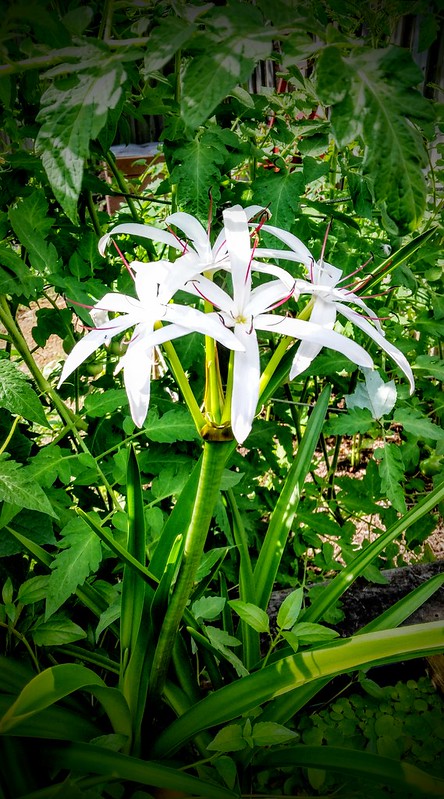
I always look forward to the first day in summer that my Crinum americana flowers in my pond. Today was that day! Happy Crinum Day!
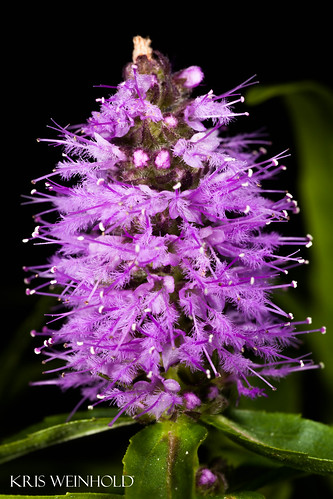
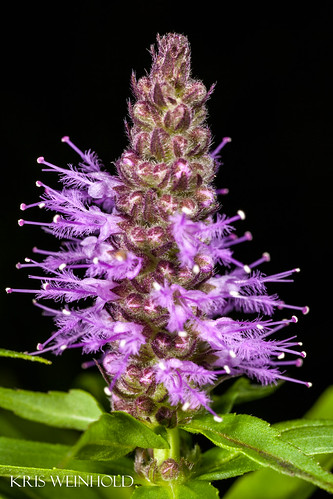
It’s autumn and with the cooler temperatures some of the plants out in my pond are going to flower. The most striking one is a field of Pogostemon yatabeanus that I have out there.
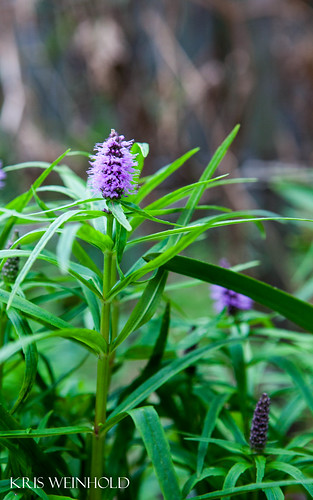
This Asian native has grown wonderfully all summer for me
, but has started producing terminal flower spikes on most of the stems.
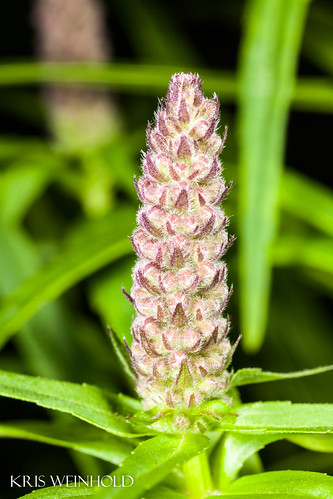
The spikes themselves are quite pubescent (hairy), and are made up of hundreds of individual flower buds.
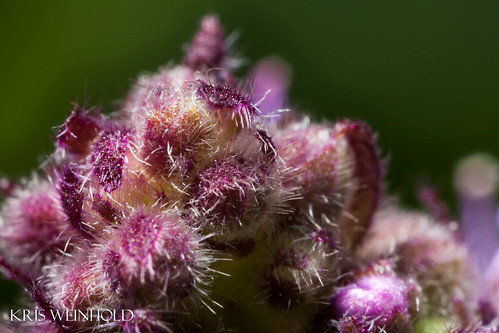
Up close, the flower buds look more like an insect than a flower, but you can see that they gradually begin to open up, with each bud producing a viable flower.
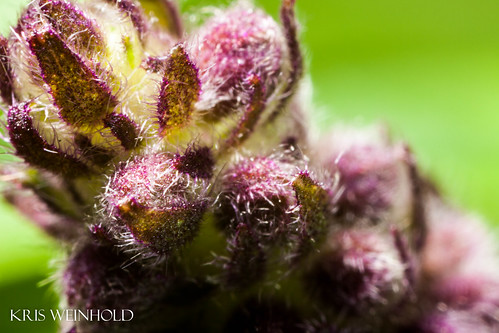
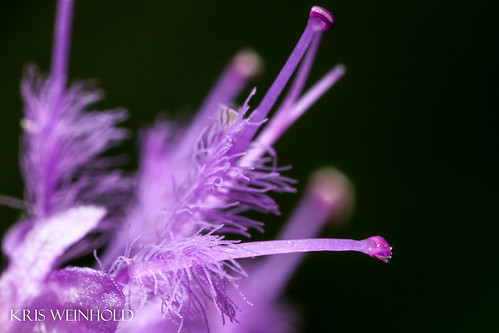
The flowers themselves are a brilliant purple and very feathery. Each flower has a single stamen protruding outward.
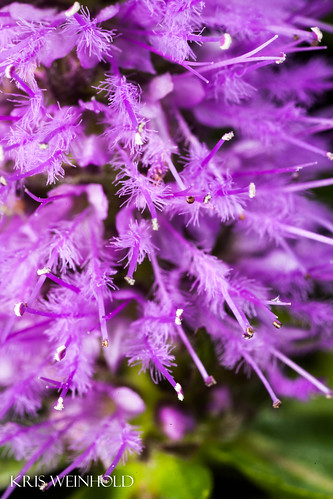
The immature flower doesn’t appear to have pollen (below)
, but over a day or two each stamen is filled with it.
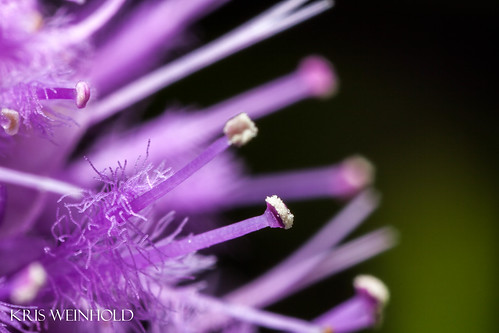
In this 5X magnification (below), you can see the tiny pollen particles clustered on the stamen. I’m not sure if a single flower spike can fertilize itself, or whether multiple plants are required.
Eventually, the individual flowers detach from the spike, with the wind carrying them away.
Below is a close-up of what’s left once a flower detaches.
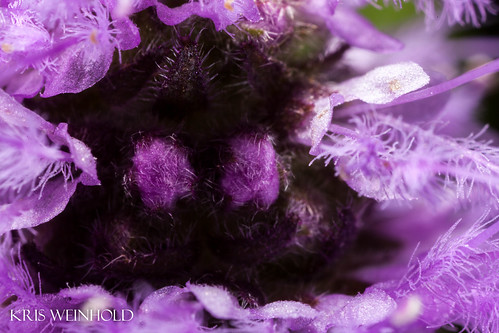
Eventually, all that’s left is a bare terminal spike that looks similar to how it all started.
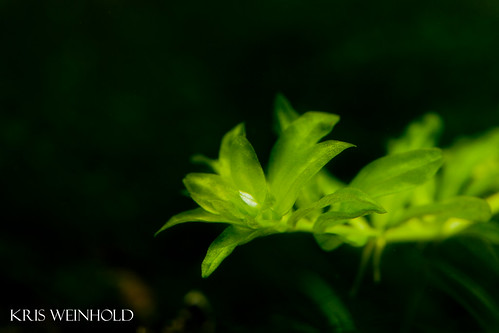
I really love seeing how our aquarium plants grow and flower outside of the aquarium. Submersed, Pogostemon yatabeanus has growth that’s similar to its terrestrial form, but it’s more delicate with narrower leaves.
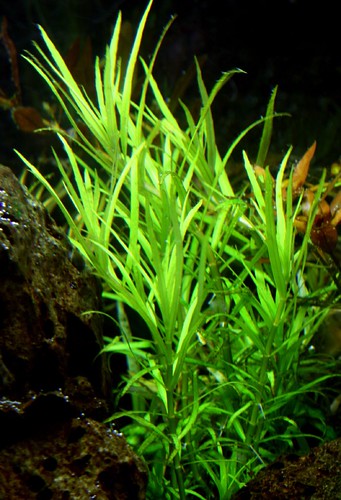
By trimming more frequently, you can encourage the plant to produce smaller leaves, which is really necessary for most aquascapes. It also has a unique feature of sometimes sending out creeping runners that then popup new stems a few inches away. Overall, it’s a great aquarium plant, and it converts pretty easily from emersed form.
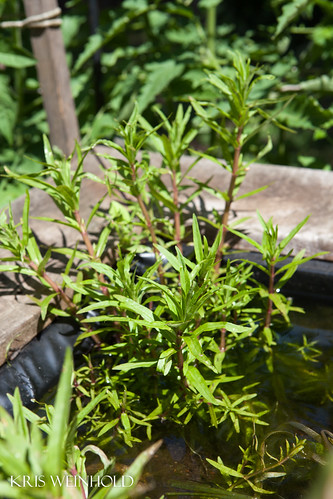
The garden is in full swing right now, doing wonderfully thanks to the well-balanced weather of rain and sun that we’ve had in the mid-atlantic region. My raised brick pond is taking on a more natural look. Pogostemon yatabeanus has reseeded itself all throughout the pond from last year, which was a definite surprise.
I also repotted my Crinum americana, which had become so root-bound that I had a terrible time removing the previous pot and separating the plant. I hope they’ll survive the process, as they are no where near as prolific as they have been in previous years.
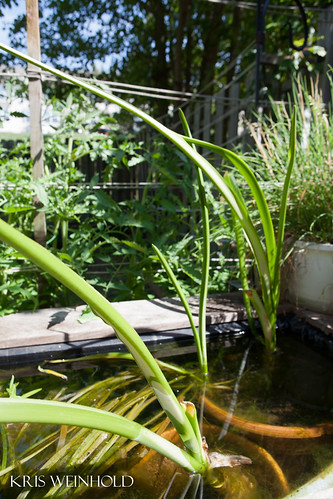
Otherwise, the only other plant in the pond are some Mesanthemum sp. Africa that I’m hoping will eventually flower so my friend can try to properly ID it.
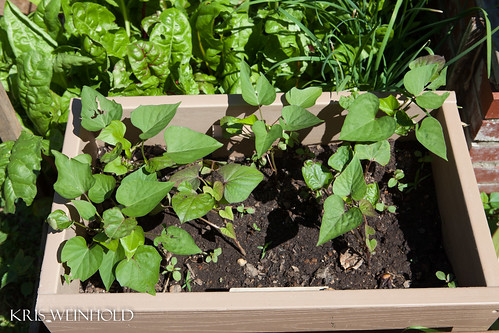
Elsewhere in the garden, my vegetable plants are all going strong. I got my sweet potato slips (Georgia Jet variety) in our boxes a few weeks ago, and they’re starting to take off.
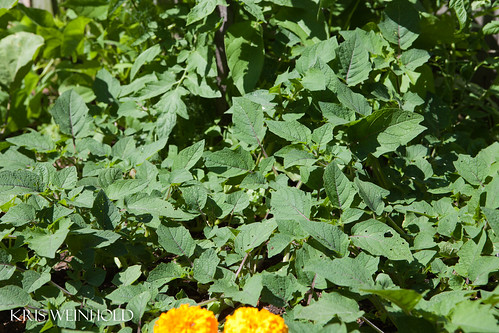
Our ground/husk cherries have already provided several handfuls of sweet yellow cherries that my wife and I have snacked on while watering.
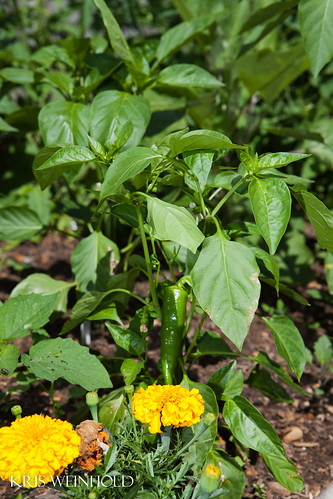
Some of our heirloom pepper plants from Seed Savers (highly recommended source for transplants and seeds) have peppers forming, but it’ll still be awhile before we harvest anything.
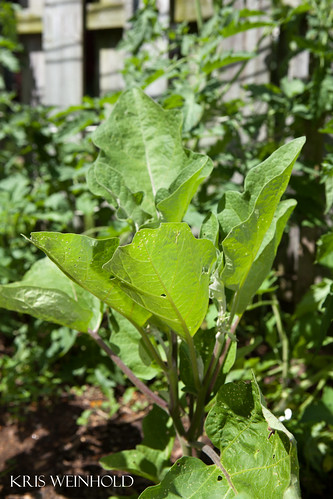
We’re growing three varieties of eggplant this year: regular, neon purple, and white globe. I been manually picking off the flea beetles to prevent the leaves from getting too much damage, and in return all three plants have begun to set flower so it’s a matter of time before fruit appear.

We have about a dozen different varieties of tomatoes growing this year throughout the garden. My most anticipated variety is Kellogg which was an absolutely phenomenal beef-steak style tomato that we grew last year. It stays bright orange, is pretty firm for a large tomato, and is sweet as can be!
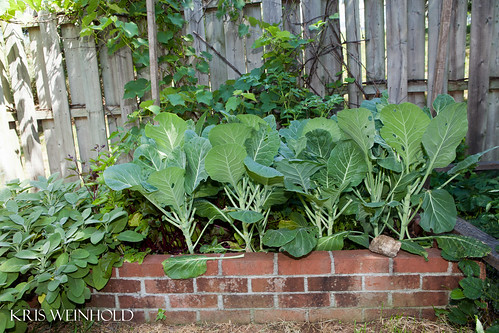
What started as an impulsive buy of a market-pack outside of our organic market has turned in a really nice harvest of collards. Our favorite use has been to use the leaves as a wrap, in place of a soft tortilla. I’ve had to begin manually picking off the hungry green caterpillars that had been deposited on the leaves by white moths that regularly visit, but it hasn’t gotten too bad yet.
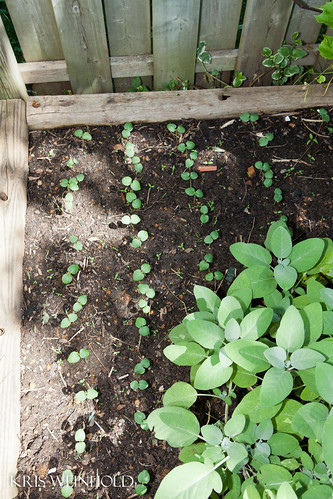
We did have an excellent harvest of white icicle and red radishes, where we ate more of the radish greens than we did the tuber. In their place, I’ve planted two varieties of okra that are beginning to pop up in the warmer weather. I still need to thin out the rows a little bit this week.
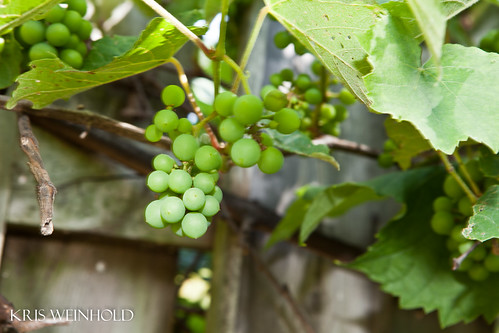
Our grape vine is going strong with lots of grape clusters formed. I’m debating whether this will be the year that I put up some bird netting to save the grapes for us. The bird netting worked fabulously for our strawberries this year, but I do worry about having birds and other critters getting trapped in the fabric.
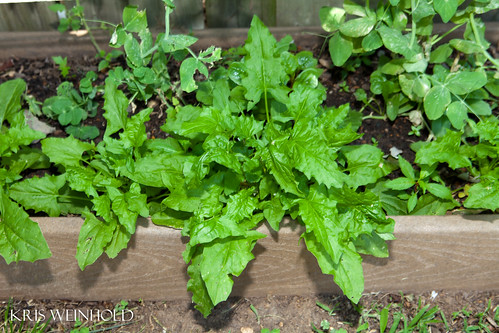
We eat a lot of greens, and this year, we’re trying a new one in our garden: Strawberry Spinach (above). This plant should eventually produce stalks of red little berry clusters, but the leaves are suitable replacements for spinach, and tolerate the heat a bit better.
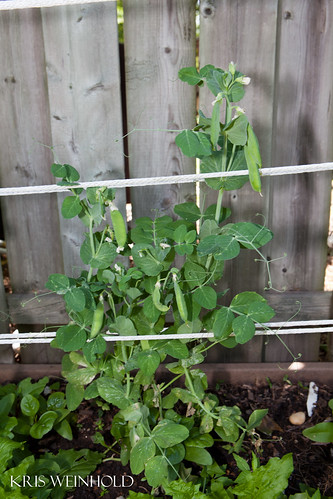
The peas are trellising and starting to produce pods. I doubt we’ll have enough to make any substantial pea dish, but they’re another nice treat in the garden. Malabar spinach is planted beneath the peas, so as the hot weather approaches, that red vine will overtake the peas on the support lines, and we’ll have lots and lots of greens for cooking dishes.
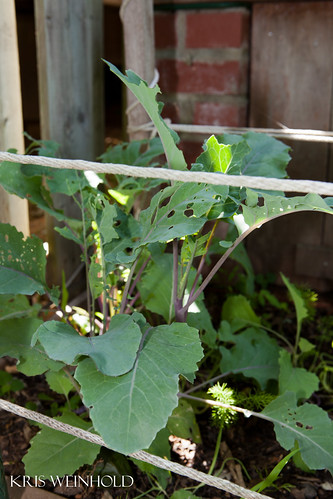
We’ve also planted kohlrabi for the first time ever. It looks a little leggy to me where it’s planted, but hopefully it’ll form that alien shaped base as the summer moves along.
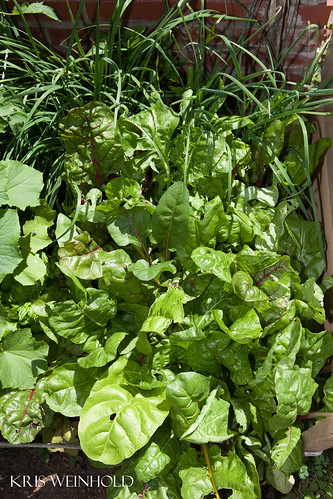
Did I mention that we love greens? Our rainbow chard has been prolific, producing seemingly new big leaves every day for harvest. There’s nothing quite like walking out back to harvest dinner!
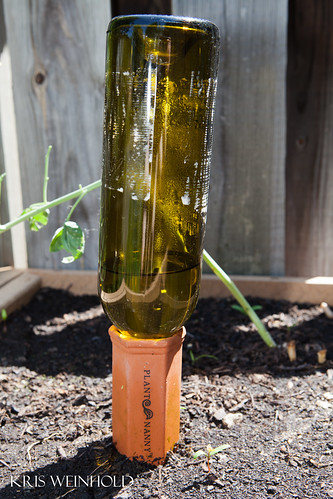
Finally, we’ve been experimenting with these terra-cotta “Plant Nanny” spikes in several of our containers. I try to water regularly, but containers often seem to dry out on our patio unless they’re watered twice a day. With these spikes, water is absorbed through the terra cotta into the soil as the soil dries out. For medium pots that only have a single plant in them, they seem to work pretty well. Larger areas, like shown above, would probably need several spikes to make any kind of a noticeable impact.
We’ve started to get some cooler evenings as we’re days away from the start of Autumn. Therefore, I decided to begin the process of shutting down my raised brick pond for the year by netting out my mosquito controlling white cloud mountain minnows and bringing them indoors.
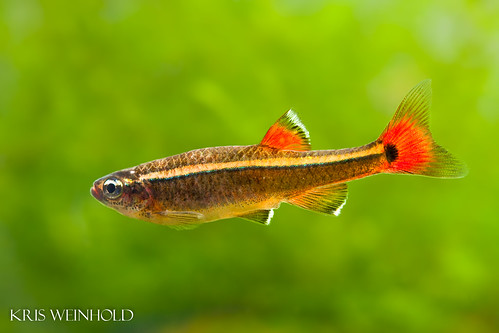
I had put a dozen outside in the spring, but so far I’ve netted about 20 adult sized fish, and quite a few tiny fry (2-3 mm). I’m going to try to collect as many of the tiny fry as possible and raise them in an extremely densely planted aquarium inside. I love putting fish outdoors, as when I bring them back inside, I almost always multiply the number of fish I have, and the colors on the fish are fantastic from all of the live food they’ve hunted down over the summer.
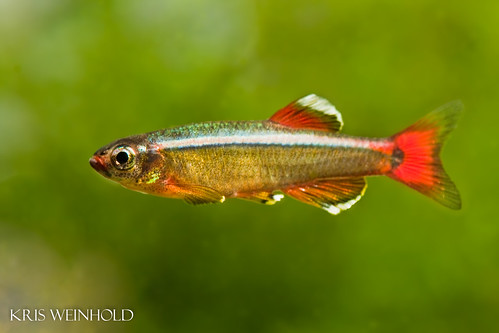
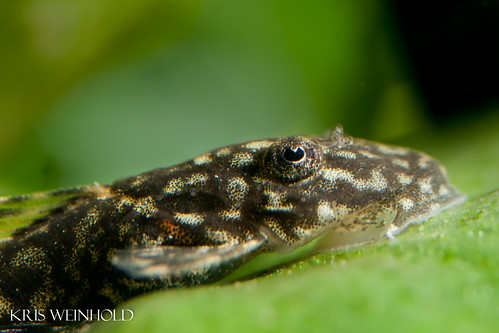
All of these minnows are going into my 12G bookshelf aquarium, which has a large colony of orange-eyed-blue-tiger-shrimp in it, plus about 50 juvenile bristlenosed plecos. This is a low-tech tank without any CO2 added and minimal fertilization, but there has a noticeable increase in plant growth since I’ve added the baby plecos and minnows. I guess they’re producing just enough waste to spur the plants on.
The baby plecos are also progressing pretty well. I’m keep their small bellies round and full by feeding them a mixture of veggie pellets, with earthworm or shrimp protein foods added 1-2X a week. Of course, I just noticed a brand new spawn of bristlenose in my 50G aquarium, so I’m overflowing a little bit with these fish at the moment.
Nevertheless, my 12G bookshelf tank is becoming one of my favorite aquariums to sit and watch. The bottom is always moving with shrimp and plecos scavenging about, and now the white cloud mountain minnows are constantly active in the upper water column. Comments welcome!
I was very happy to walk out to my raised brick pond this evening and find a single Nymphoides sp. ‘Taiwan’ flower. This particular Nymphoides species is fairly rare to flower, which is exactly why I put it outside for the summer.
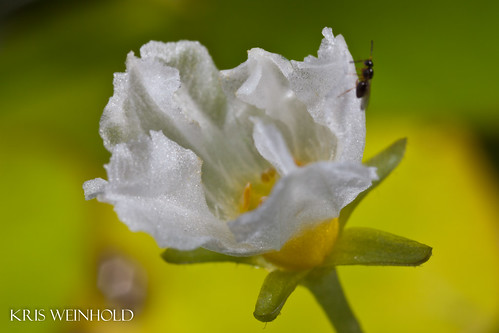
Every summer I try to put a number of previously unidentified aquatic plants in the hobby outdoors in hope that they’ll flower for me so that more botanically inclined folks can use my photos and pressed specimens to properly identify them.
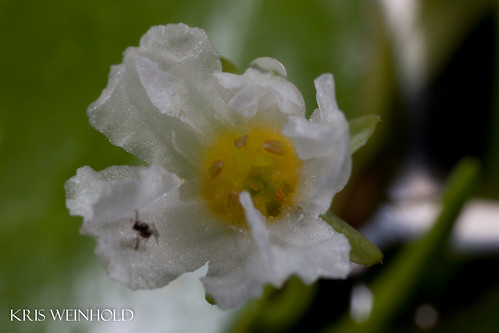
This particular flower is only about nickel sized in diameter, and sits about 2-3″ above the small lily pad below. It has four sepal and very delicate petals.
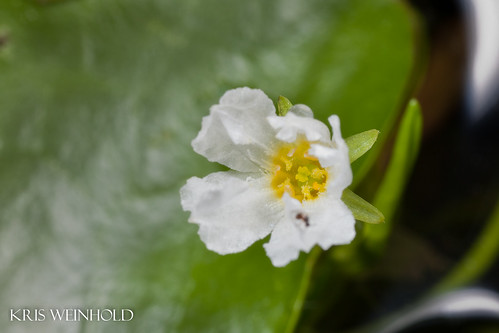
The plant itself is a very easy to grow plant indoors in your aquarium, or outside in the pond. Indoors, if you continually trim any of the leaves that reach toward the surface, it will eventually grow fully submerged. One of the neat things about Nymphoides sp. ‘Taiwan’ is that roots eventually grow from the underside of each lily pad, producing a fully viable plantlet. That makes propagation very easy, and possibly also explains why it rarely has cause to produce reproductive flowers.
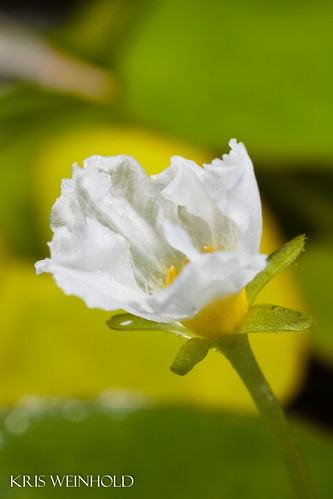
Nevertheless, I’m very pleased that my plants cooperated and flowered! Now, I can feel justified to clear the water surface, as nearly the entire area is covered by overlapping Nymphoides sp. ‘Taiwan’ leaves! I’ll be sure to post soon if we’re able to properly identify this plant.