50G – Overgrown with Blyxa

November 28th, 2011

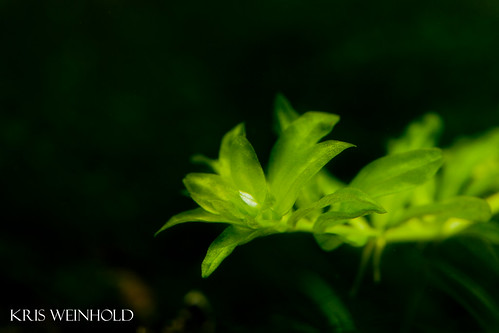
My 50G aquarium is now an overgrown jungle of Blyxa japonica and Blyxa aubertii. There’s a little bit of Ludwigia arcuata and Limnophila sp. ‘Vietnam’ mixed in there as well with Narrow-leaf Java Fern carving out a place too.
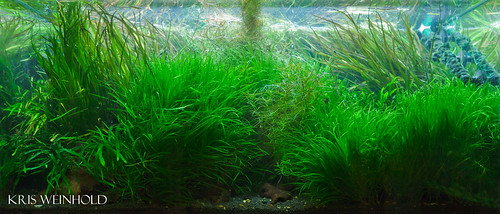
50G - Overgrown with Blyxa

On one hand, I’m really happy with the tremendous growth, as most of the tank is algae free minus the Eheim spraybar and a few older leaves. Also, the bristlenosed plecos that I have in here are continuing to churn out more fry than I know what to do with. The Apistogramma have a pretty good idea of what to do with them, however, but I still seem to have all females, and no breeding there.
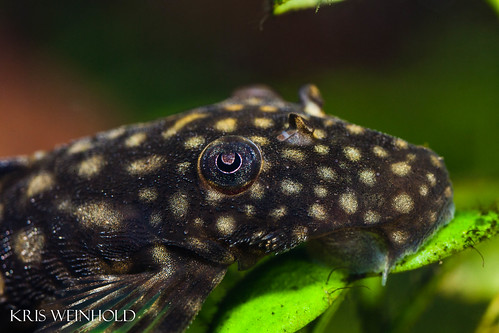
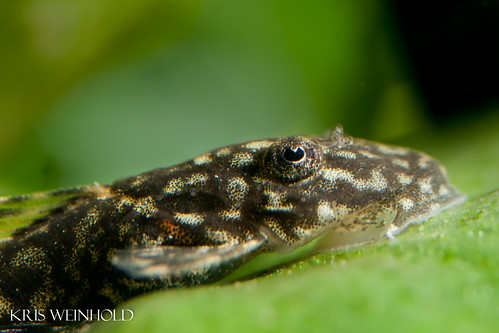
Pleco

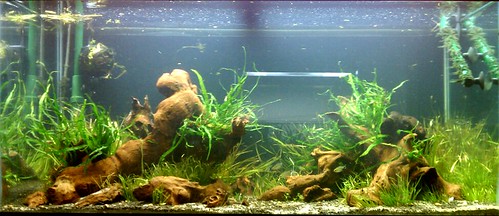
On the other hand, the huge mass of plant growth has completely consumed the aquascape. Below you can see what the aquarium looked like shortly after planting. All of that same driftwood is still in the tank, but you wouldn’t know it, would you?

50G Aquascape

So, now I need to decide whether to simply hack back the plant growth to a more reasonable state or to rescape it altogether. I imagine that this will largely depend on how many plants I pickup at the GWAPA meeting next weekend!
Business Broker

White Clouds Come Indoors

September 18th, 2011

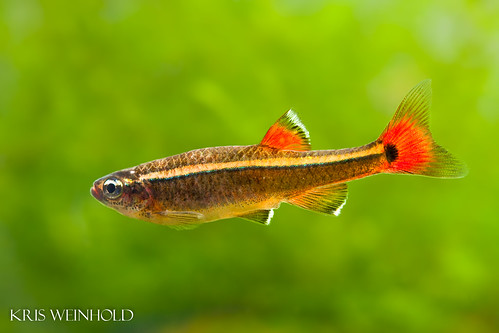
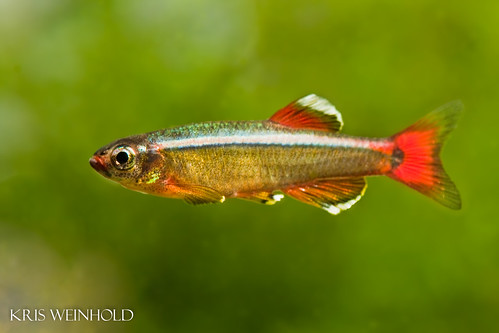
We’ve started to get some cooler evenings as we’re days away from the start of Autumn. Therefore, I decided to begin the process of shutting down my raised brick pond for the year by netting out my mosquito controlling white cloud mountain minnows and bringing them indoors.

White Cloud Mountain Minnow

I had put a dozen outside in the spring, but so far I’ve netted about 20 adult sized fish, and quite a few tiny fry (2-3 mm). I’m going to try to collect as many of the tiny fry as possible and raise them in an extremely densely planted aquarium inside. I love putting fish outdoors, as when I bring them back inside, I almost always multiply the number of fish I have, and the colors on the fish are fantastic from all of the live food they’ve hunted down over the summer.

White Cloud Mountain Minnow

All of these minnows are going into my 12G bookshelf aquarium, which has a large colony of orange-eyed-blue-tiger-shrimp in it, plus about 50 juvenile bristlenosed plecos. This is a low-tech tank without any CO2 added and minimal fertilization, but there has a noticeable increase in plant growth since I’ve added the baby plecos and minnows. I guess they’re producing just enough waste to spur the plants on.

Hemianthus glomeratus

The baby plecos are also progressing pretty well. I’m keep their small bellies round and full by feeding them a mixture of veggie pellets, with earthworm or shrimp protein foods added 1-2X a week. Of course, I just noticed a brand new spawn of bristlenose in my 50G aquarium, so I’m overflowing a little bit with these fish at the moment.

Young Bristlenose Pleco

Nevertheless, my 12G bookshelf tank is becoming one of my favorite aquariums to sit and watch. The bottom is always moving with shrimp and plecos scavenging about, and now the white cloud mountain minnows are constantly active in the upper water column. Comments welcome!

Business Broker

National Zoo, Washington D.C.

August 31st, 2011

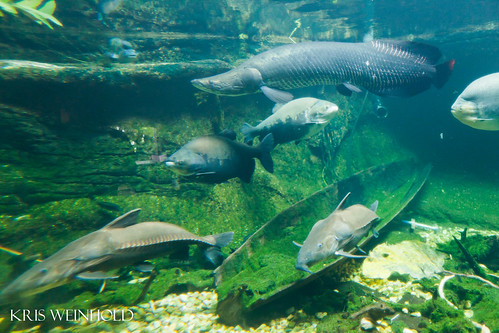
Last weekend I had the pleasure to spend the day at the National Zoo in Washington, D.C. Following Hurricane Irene, there were relatively few folks there, but the weather was fantastic. I wanted to share some of my pictures from the day’s excursion. One of my favorite exhibits at the zoo is the Amazonia exhibit. This exhibit features a huge aquarium with large Pacu, catfish, and my favorite, an Arapaima.

Amazonia Exhibit Large Tank

The exhibit also has a large rainforest area above the aquarium that has monkeys roaming, birds flying, and lots of plants from the Amazon region.

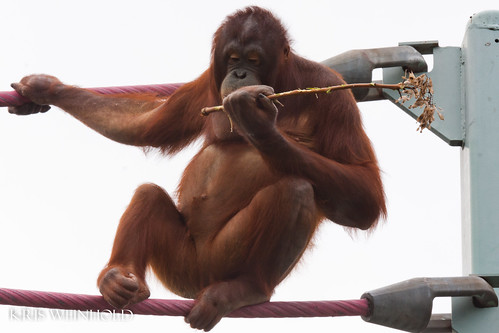
Orangutan Young Female

Outside, a young female orangutan was climbing around on the lines they have that allows them to get their exercise in full view of the visitors.

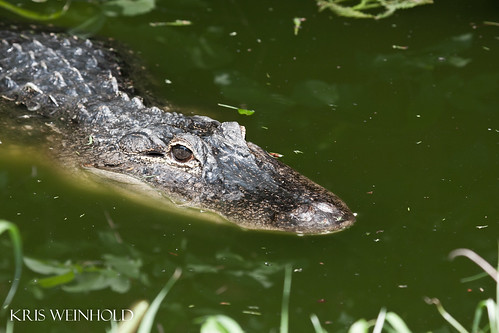
Alligator

In a pool nearby, the american alligator floats still while enjoying the sun on a clear day in the park.

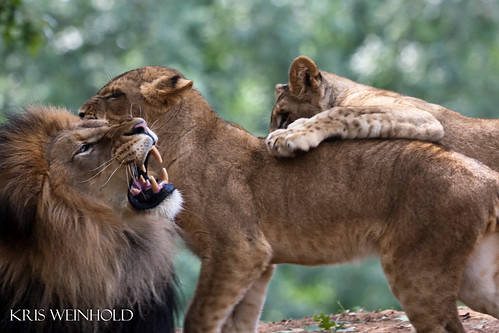
Lions Wrestling

All the while, several lion cubs are chasing each other, wrestling around in the lion pit. At one point, these two cubs get a little too rowdy for papa, who was people watching up until that point.

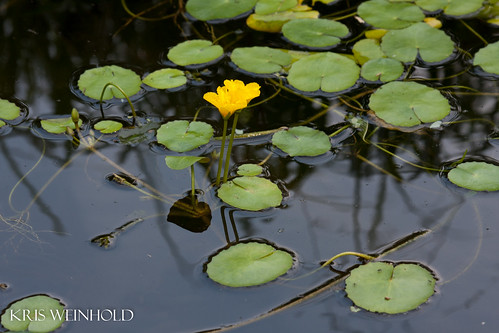
Nymphoides

The park itself is landscaped wonderfully, and for us aquatic plant enthusiasts, there are several wet areas to check out. The Nymphoides above were flowering while we were there.

Meerkat

Inside the small mammal house, an incredibly cute and popular meerkat stoically stood and peered at the crowd checking him out.

Ape

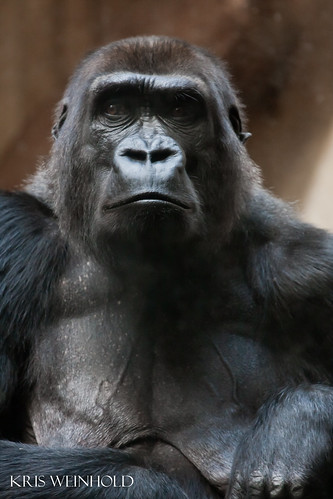
Likewise, in the ape house, this female ape was seated on a branch about 20 feet off of the ground, relaxing.

Lemur

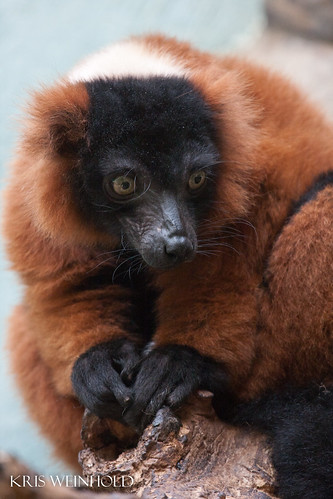
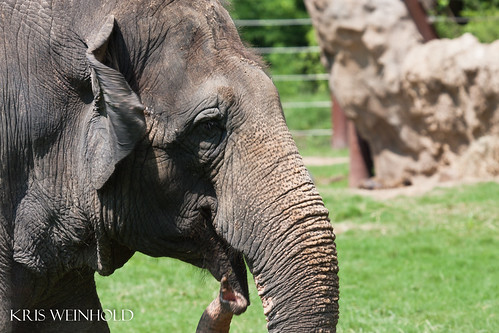
The lemur was bright eyed as always! And of course, the elephants were roaming around outside smile as the pleasant weather.

Elephant

I was happy to see that the animals were all behaving normally after an earthquake and hurricane swept through the area in the same week. If you missed this story, many of the animals reacted to the impending earthquake prior any shaking. All in all, we had a wonderful time at the National Zoo, and recommend it to visitors to the area.

Several more pictures are available on my Flickr stream.


Business Broker

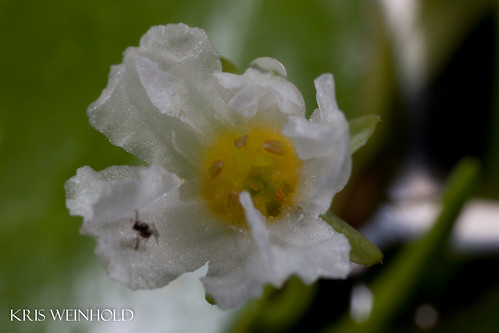
Nymphoides sp. ‘Taiwan’ Flower

August 26th, 2011

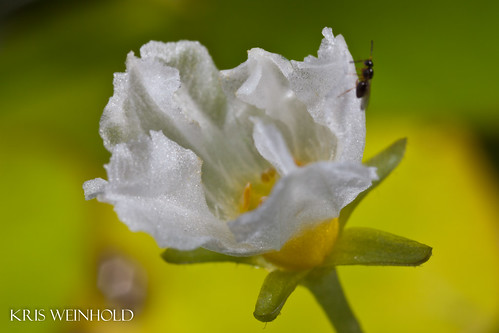
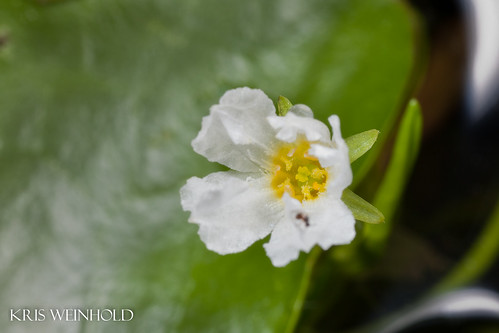
I was very happy to walk out to my raised brick pond this evening and find a single Nymphoides sp. ‘Taiwan’ flower. This particular Nymphoides species is fairly rare to flower, which is exactly why I put it outside for the summer.

Nymphoides sp. 'Taiwan' Flower

Every summer I try to put a number of previously unidentified aquatic plants in the hobby outdoors in hope that they’ll flower for me so that more botanically inclined folks can use my photos and pressed specimens to properly identify them.

Nymphoides sp. 'Taiwan' Flower

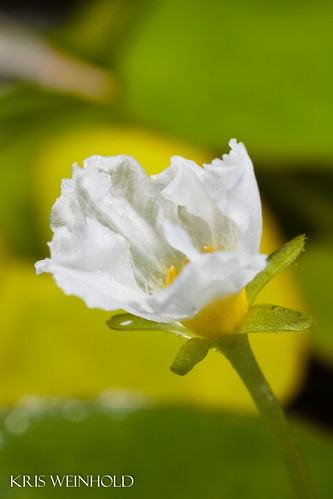
This particular flower is only about nickel sized in diameter, and sits about 2-3″ above the small lily pad below. It has four sepal and very delicate petals.

Nymphoides sp. 'Taiwan' Flower

The plant itself is a very easy to grow plant indoors in your aquarium, or outside in the pond. Indoors, if you continually trim any of the leaves that reach toward the surface, it will eventually grow fully submerged. One of the neat things about Nymphoides sp. ‘Taiwan’ is that roots eventually grow from the underside of each lily pad, producing a fully viable plantlet. That makes propagation very easy, and possibly also explains why it rarely has cause to produce reproductive flowers.

Nymphoides sp. 'Taiwan' Flower

Nevertheless, I’m very pleased that my plants cooperated and flowered! Now, I can feel justified to clear the water surface, as nearly the entire area is covered by overlapping Nymphoides sp. ‘Taiwan’ leaves! I’ll be sure to post soon if we’re able to properly identify this plant.

Business Broker

50G – Aquascape for the Fish

July 18th, 2011

There comes a time when you have to chose which is more important to you, the fish or the aquascape. In the last scape I had in my 50g aquarium, I didn’t provide enough caves for my bristlenose plecos to occupy, so they took it upon themselves to dig underneath the rocks, building their own caves. After walking into my fish room enough times, only to witness muddy water, I decided that the fish have made their point, and a new aquascape was in order.

50g Rescaped

I pulled out the rocks, replacing them with hollow pieces of African bogwood. I also elevated enough pieces to provide small caves without digging. Replanting with just Blyxa aubertii, B. japonica, and Narrow-leaf Java Fern, I kept the scape pretty simplistic. I reused the sand path in the old scape, purposely allowing it to become contaminated with aquasoil, to achieve a more natural look. Overnight, so far no digging! Comments welcome!

Business Broker

« Previous Entries   Next Entries »